

A great deal of the current conversation around glp-1 begins with weight. That is understandable, but it is also incomplete. For people who care about long-term wellness, healthy aging, and how internal changes show up in the skin, GLP-1 is more interesting than the headlines suggest.
This is not a trend ingredient or a cosmetic quick fix. It is a hormone pathway with real metabolic significance, clinical relevance, and visible downstream effects. If your energy, appetite, sleep, blood sugar, stress load, and nutrient intake shift, your skin often reflects it. That makes GLP-1 worth understanding through a broader lens.
What is GLP-1?
GLP-1 stands for glucagon-like peptide-1, a hormone released primarily in the gut after eating. Its job is to help regulate blood sugar and coordinate several processes involved in metabolic balance. It stimulates insulin release when glucose rises, reduces glucagon secretion, slows gastric emptying, and contributes to feelings of fullness.
In practical terms, GLP-1 helps the body respond to food in a measured way. Rather than acting on a single system, it participates in a network that influences appetite, glycemic control, and energy regulation. That is why it has become central in the treatment of type 2 diabetes and, more recently, in medical approaches to obesity.
There is a difference, however, between the body’s natural GLP-1 and GLP-1 receptor agonist medications. The former is a short-lived endogenous hormone. The latter are drugs designed to mimic or extend its action. When people talk about “being on GLP-1,” they are usually referring to medication, not the native hormone itself.
Why GLP-1 matters beyond weight
Weight change may be the most visible outcome, but it is not the whole story. Metabolic health affects inflammatory signaling, insulin dynamics, vascular function, and nutrient handling. Those systems shape how the body repairs, recovers, and ages.
Skin is especially sensitive to these internal shifts. Persistent blood sugar imbalance can contribute to glycation, a process that damages collagen and elastin over time. Chronic inflammation can amplify reactivity and slow recovery. Poor dietary quality, dehydration, and stress can leave skin looking dull, fatigued, or less resilient. When GLP-1-related treatment improves metabolic control, some of these pressures may lessen.
That said, improved metabolic markers do not automatically translate into better skin quality. The relationship is indirect. It depends on what changes alongside treatment, including hydration, protein intake, micronutrient status, sleep, and the pace of weight loss.
GLP-1 and skin health: the less obvious connection
The skin is a record of physiological priorities. When the body is under nutritional strain, stress, or rapid change, repair can become less efficient. This is where GLP-1 enters the skincare conversation, not as a topical active, but as part of a wider wellness picture.
For some people, GLP-1 medications may support healthier blood sugar control and reduce overeating patterns that were contributing to inflammation or metabolic stress. In that context, the skin may benefit indirectly from a more stable internal environment. Less fluctuation can support better barrier function, calmer reactivity, and a more even overall appearance.
For others, the experience is more complicated. Reduced appetite can mean reduced intake overall, including protein, essential fats, iron, zinc, and B vitamins. If nutrition becomes too sparse, skin may appear thinner, drier, or slower to recover. Rapid weight loss can also alter facial volume, which may make the skin look more tired or emphasize laxity that was previously less visible.
This is why a disciplined view matters. A metabolic intervention can be helpful and still require careful support. Better health is not always identical to better appearance in the short term, especially when change happens quickly.
What happens to the skin during GLP-1 use?
There is no single “GLP-1 face” or universal skin response. What people notice often reflects the speed of body composition change, age, baseline skin quality, sun exposure history, hydration, and whether they are supporting tissue health during the process.
Some people report looking brighter and less inflamed as their eating patterns and metabolic health improve. Others notice dryness, a more drawn facial appearance, or a loss of softness in areas where volume has decreased. Neither outcome is surprising.
Skin does not only need fewer inflammatory burdens. It also needs raw materials and time. Collagen turnover, barrier repair, and tissue resilience are all dependent on adequate nutrition, sleep, and consistent care. If those are neglected, aesthetic changes may feel harsher than expected.
The role of hydration, protein, and barrier support
If appetite is lower, routine matters more. Many adults already undereat protein or fall short on hydration when work is intense and meals are irregular. During GLP-1 treatment, those habits can become more consequential.
Hydration affects both systemic function and skin comfort. Slower gastric emptying and reduced food intake can change how and when people drink, and some also experience gastrointestinal side effects that make hydration more important. Skin that feels tight, flat, or rough may reflect this broader picture.
Protein deserves equal attention. The body needs amino acids for ongoing repair, including the maintenance of skin structure. If intake drops too far, the face may lose support more quickly and the skin may struggle to maintain a healthy look. This is not about cosmetic perfection. It is about preserving tissue quality while the body is changing.
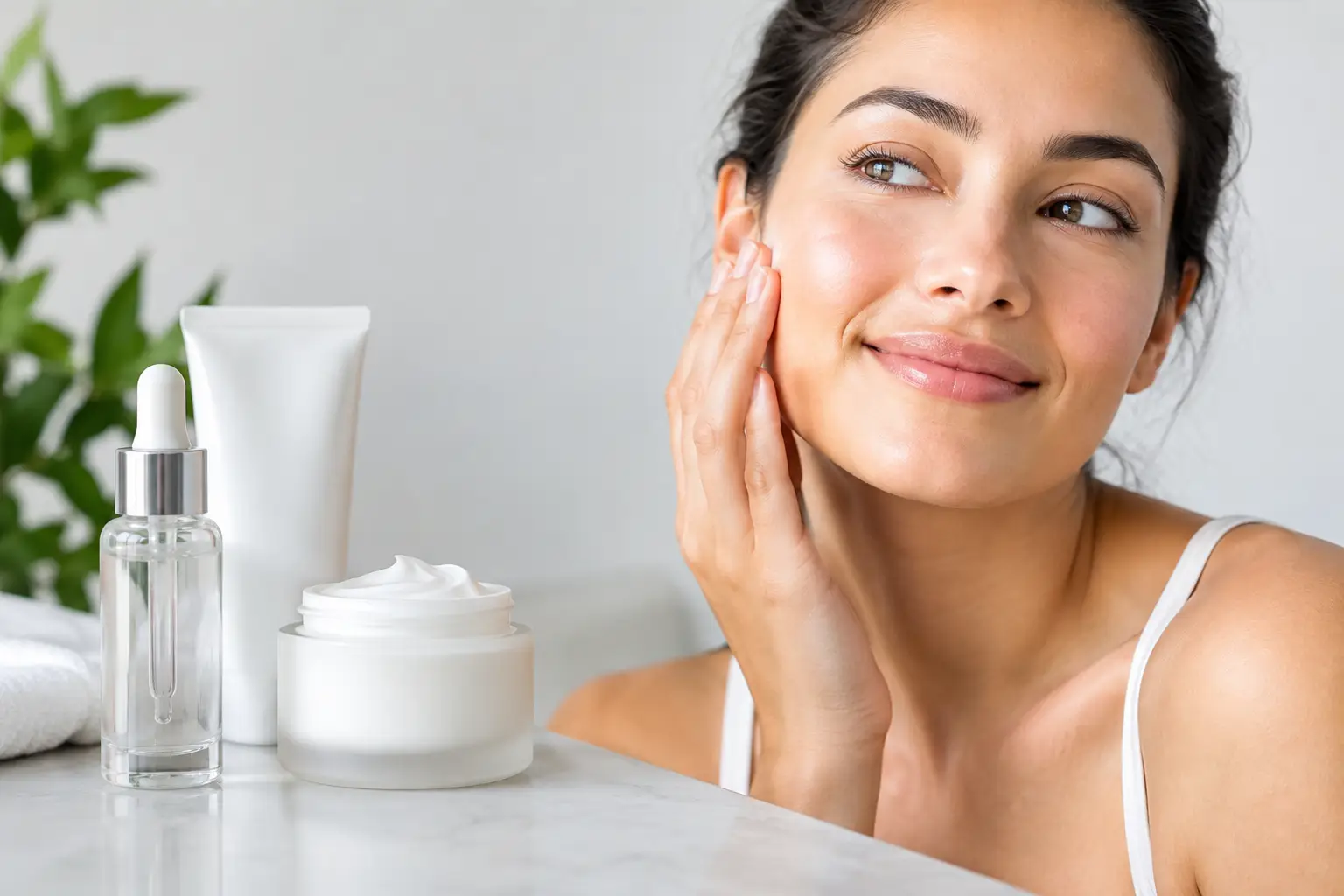
Topical care has a role here, but it should be realistic. A well-formulated routine can help defend the barrier, improve hydration, and support a more resilient surface. It cannot replace nutrition or restore lost volume by itself. In practice, the most useful skincare approach during GLP-1 use is often calm and reparative: gentle cleansing, consistent hydration, barrier-supportive ingredients, and daily photoprotection.
A more balanced view of GLP-1 medications
The public conversation tends to split into extremes. Either GLP-1 drugs are presented as revolutionary answers, or they are framed as shortcuts with unacceptable trade-offs. Neither view is especially useful.
For the right patient, under proper medical guidance, these therapies can be meaningful. They may improve glycemic control, support weight reduction, and reduce risks associated with metabolic disease. Those are serious benefits, not aesthetic conveniences.
At the same time, they are not neutral tools. Side effects, nutritional gaps, muscle loss, and the psychological adjustment to changed appetite can all matter. Some people do well with minimal disruption. Others need more active support to protect strength, energy, and skin quality. It depends on baseline health, medication choice, dose escalation, and the presence or absence of structured nutrition and lifestyle guidance.
How to think about GLP-1 if skin longevity matters to you
If your goal is to support both metabolic health and visible skin quality, the question is not whether GLP-1 is good or bad. The better question is whether the whole plan is well supported.
That means looking beyond the prescription itself. Is protein intake adequate? Are resistance training and daily movement part of the picture? Is hydration consistent? Is sleep protected? Is the skincare routine helping the barrier rather than adding irritation during a time of physiological change?
This is also where expectations need maturity. If body composition shifts significantly, the face may change too. That is not necessarily a sign of harm. It may simply reveal changes in volume, structure, and skin reserve that were already in progress with age. The goal should not be to resist every visible sign of change. It should be to support resilience so the skin remains comfortable, functional, and as healthy-looking as possible.
For a brand like SHINORA, that philosophy is familiar. Restoration tends to outperform urgency over time.
Where the science is still evolving
Researchers are continuing to study GLP-1 pathways in relation to inflammation, cardiovascular health, neurobiology, and broader aging processes. Some of that work is promising, but the culture around these medications often moves faster than the science can responsibly interpret.
That is especially true when skin claims enter the discussion. At this stage, it is more accurate to speak about indirect effects than direct cosmetic benefits. Better metabolic health may reduce certain burdens on the skin, but that does not mean GLP-1 should be viewed as a beauty intervention.
A more credible position is also the more useful one: internal health and external appearance are linked, but not in a simplistic way. Skin reflects systems, habits, and time. Any treatment that meaningfully changes appetite, insulin dynamics, or body composition will likely have visible effects. Whether those effects feel positive often depends on how thoughtfully the transition is managed.
If GLP-1 is part of your health conversation, approach it with the same standard you would apply to skincare worth keeping: less hype, more context, and enough patience to support real repair as your body adapts.


Leave a Reply