

A sudden flush after cleansing, persistent redness around the nose, or cheeks that feel warm by afternoon can be more than a cosmetic concern. Skin redness causes are varied, and the most useful response is rarely to treat every red patch as the same problem. Redness is a visible signal of increased blood flow, inflammation, irritation, or a weakened barrier. Understanding the pattern behind it allows for care that supports recovery instead of adding further stress.
For skin exposed to heat, humidity, air conditioning, pollution, long workdays, and an ambitious skincare routine, the answer is often not a stronger product. It is a more considered one.
Why Skin Turns Red
Redness occurs when small blood vessels near the skin’s surface widen or become more visible. This can be temporary, as with exercise or warm weather, or it can persist when inflammation, sensitivity, or an underlying skin condition is involved.
The skin barrier has a central role. This outer protective system helps retain water while limiting the entry of irritants, allergens, and microbes. When it is compromised, the skin may sting, feel tight, become dry or flaky, and react with redness to products that were previously well tolerated. Barrier disruption does not always look dramatic. Sometimes it begins as a faint, recurring flush or an increasing need to apply more moisturizer.
Skin tone also affects how redness appears. On lighter skin, it may look pink or bright red. On deeper skin tones, inflammation may appear as warmth, darkening, purple-gray discoloration, or an uneven, irritated-looking patch. Sensation matters as much as color. Burning, itching, tenderness, and swelling can offer useful clues.
Common Skin Redness Causes
Irritation from skincare or over-exfoliation
A routine can become too active for the skin, even when each product is well formulated. Retinoids, exfoliating acids, benzoyl peroxide, strong vitamin C formulas, fragranced products, and cleansing too frequently may all contribute to irritant contact dermatitis. The risk rises when several active products are layered together, introduced quickly, or used while the skin is already dehydrated.
This type of redness often comes with stinging, tightness, rough texture, or peeling. It may be concentrated around the mouth, nostrils, eyelids, or areas where product collects. More product is not necessarily better. A period of simplified, barrier-focused care can be more productive than trying to correct redness with additional treatments.
Allergic contact dermatitis
An allergic reaction is different from ordinary irritation. It involves the immune system and can develop after repeated exposure to an ingredient that once seemed harmless. Fragrance, essential oils, preservatives, hair dye, nail products, sunscreen filters, and botanical extracts are possible triggers.
Itching is often prominent, and the rash may extend beyond the exact application area. Eyelid redness, for example, can originate from products used on the hands, hair, or nails. If a reaction is intense, recurrent, blistering, or associated with swelling, medical assessment is appropriate. A clinician may recommend patch testing to identify the specific allergen.
Heat, sun exposure, and flushing triggers
Hot showers, spicy meals, alcohol, exercise, emotional stress, and rapid shifts between outdoor heat and aggressively cooled rooms can create transient flushing. These triggers are common in warm climates and may be more noticeable when the skin is dehydrated or sensitized.
Sun exposure deserves separate attention. Ultraviolet radiation can cause immediate redness through sunburn, but repeated unprotected exposure may also weaken the skin’s resilience and make redness more persistent over time. Daily broad-spectrum sunscreen, applied generously and reapplied when outdoors, is foundational rather than optional. For reactive skin, a formula that feels comfortable enough to use consistently is the right one.
Rosacea
Rosacea is a chronic inflammatory condition that commonly affects the cheeks, nose, chin, and forehead. It may present as central facial redness, visible small blood vessels, recurrent flushing, acne-like bumps, burning, or sensitivity. Some people also experience dry, irritated eyes.
Rosacea is not caused by poor hygiene, and it cannot be scrubbed away. Its triggers differ from person to person, but heat, sunlight, alcohol, spicy foods, stress, and irritating skincare are frequent contributors. A calm routine can reduce avoidable aggravation, while a dermatologist can help distinguish rosacea from acne, allergy, or eczema and discuss evidence-based treatment when needed.
Eczema, seborrheic dermatitis, and psoriasis
Inflammatory skin conditions can also create facial redness. Eczema often causes dryness, itch, and a compromised barrier. Seborrheic dermatitis commonly affects the sides of the nose, eyebrows, scalp, and hairline, often with flaking that may look oily or fine. Psoriasis can appear as well-defined, scaly patches, although its presentation varies considerably.
These conditions can overlap with ordinary sensitivity, which makes self-diagnosis unreliable. Persistent scale, pronounced itch, cracking, or redness that returns in the same locations deserves professional guidance. The most effective treatment depends on the condition, not simply on the appearance of redness.
Acne and post-inflammatory change
Inflamed acne lesions are red because the immune system is responding. Picking, harsh spot treatment, and aggressive exfoliation can prolong that inflammation and increase the risk of lingering marks. In deeper skin tones, the lasting change may be more brown, gray, or purple than red, but the underlying process is still inflammation.
Acne treatment requires balance. Effective active ingredients can be useful, yet irritated skin heals poorly and may appear more uneven. Introduce treatments gradually, protect the barrier with a compatible moisturizer, and resist the temptation to use multiple high-strength actives at once.
How to Read the Pattern Before Changing Your Routine
Rather than replacing everything immediately, observe the timing and behavior of the redness. Did it begin after a new product, a treatment, increased sun exposure, or a period of stress? Does it settle overnight, worsen after cleansing, or flare after heat and certain foods? Is it itchy, painful, bumpy, scaly, or simply warm?
A brief skin diary can reveal patterns that memory misses. Record new products, active ingredients, environmental exposure, meals or alcohol if flushing is a concern, and how your skin feels. This is not about pursuing perfect control. It is about making fewer assumptions and better decisions.
If you suspect a product, pause it rather than testing it repeatedly on already irritated skin. Once the skin has settled, reintroduce only one product at a time and allow several days to assess tolerance. Patch testing a new formula on a small area can be sensible, although a negative home test does not rule out all reactions.
A Restorative Approach to Redness-Prone Skin
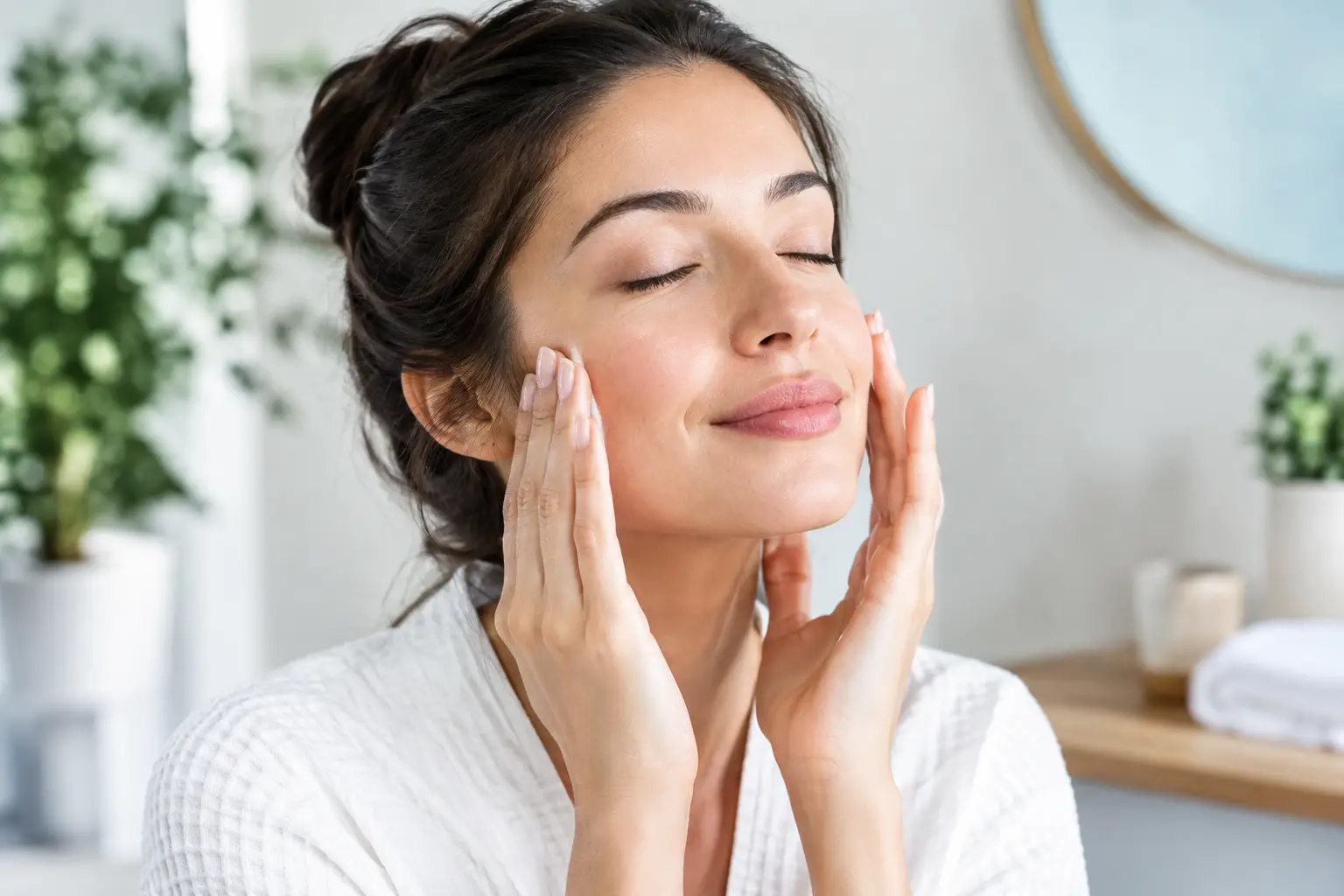
When redness is active, simplify the routine. Use a mild cleanser that does not leave the skin squeaky or tight, a fragrance-free moisturizer with humectants and barrier-supporting lipids, and broad-spectrum sunscreen during the day. Lukewarm water and soft, patting motions are kinder than hot water and friction.
For a few weeks, consider pausing scrubs, exfoliating acids, peel pads, high-frequency masks, and newly introduced actives. This is not a permanent rejection of results-driven skincare. It is a practical reset that gives the barrier an opportunity to recover. Once comfort returns, treatments can be reintroduced slowly based on the skin’s needs and tolerance.
Hydration is helpful, but redness is not always a sign that the skin only needs more moisture. A rich cream may support dry, irritated skin, while it may be too occlusive for someone whose redness is connected to acne or heat. The right texture and ingredients depend on the underlying cause. Thoughtful formulation and consistent use tend to outperform frequent routine changes.
When Redness Needs Medical Care
Seek prompt medical care for facial swelling, hives, trouble breathing, blistering, rapidly spreading redness, fever, severe pain, or signs of infection such as pus or crusting. These symptoms should not be managed with skincare alone.
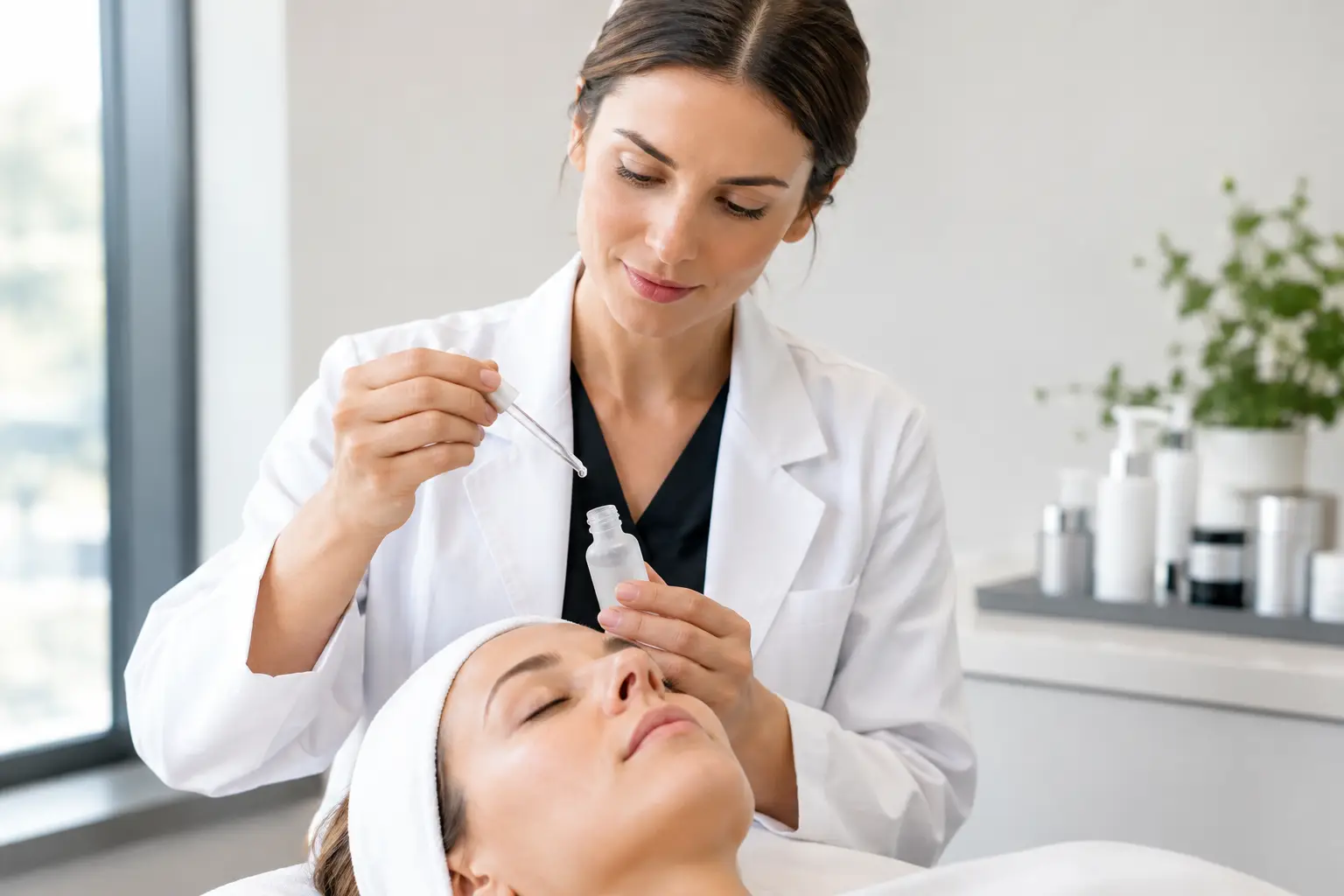
Arrange a dermatology appointment when redness persists for several weeks, repeatedly flares without a clear cause, affects the eyes, or is accompanied by acne-like bumps, scaling, or significant discomfort. Prescription treatment may be appropriate for rosacea, eczema, dermatitis, psoriasis, or infection. A professional diagnosis can prevent months of cycling through products that were never suited to the problem.
Skin redness is not a failure of discipline or a cue to escalate your routine. Often, it is the skin asking for less friction, fewer variables, and time to restore its natural defenses. Responding with patience creates the conditions for calmer, stronger skin over the long term.

Leave a Reply