
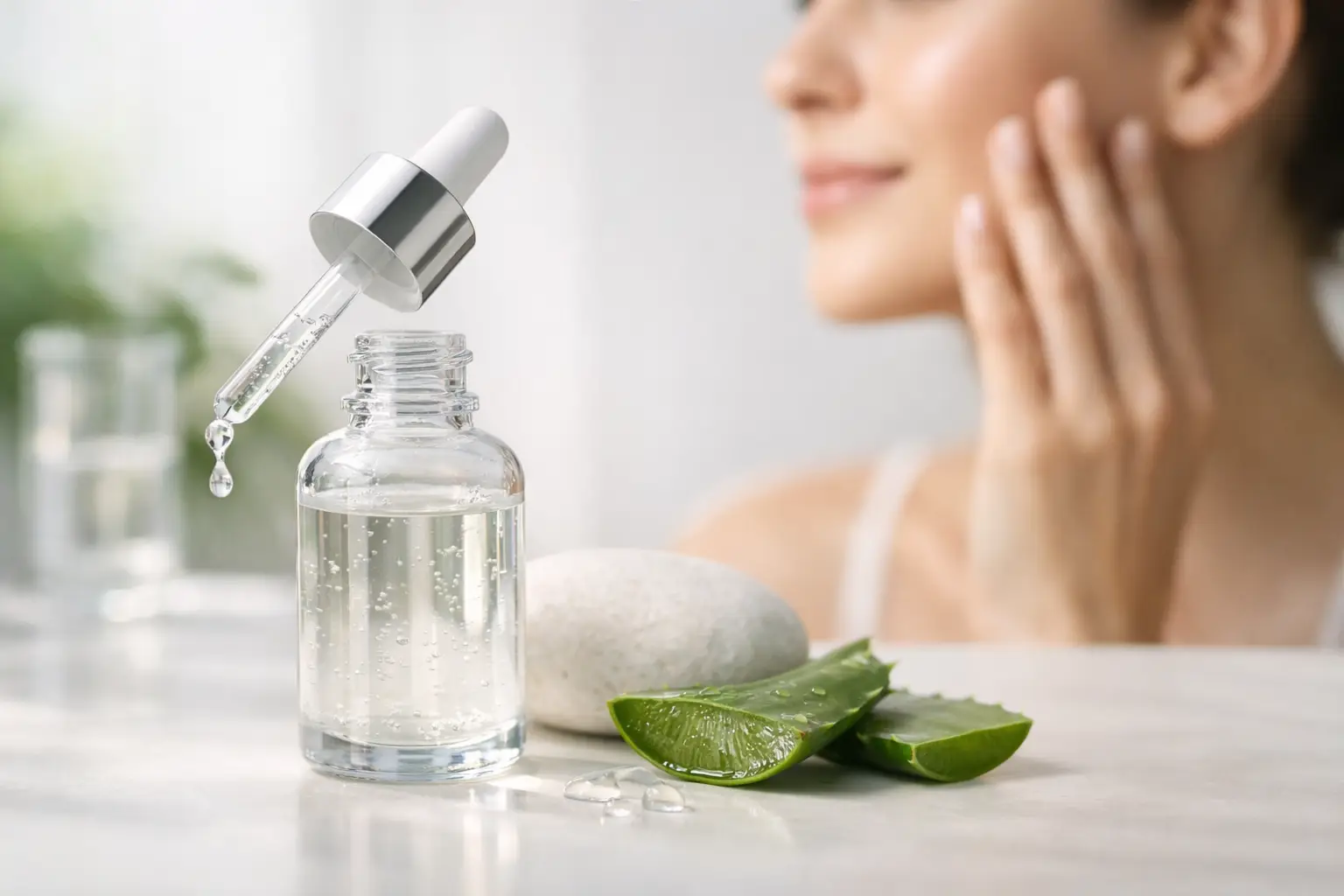
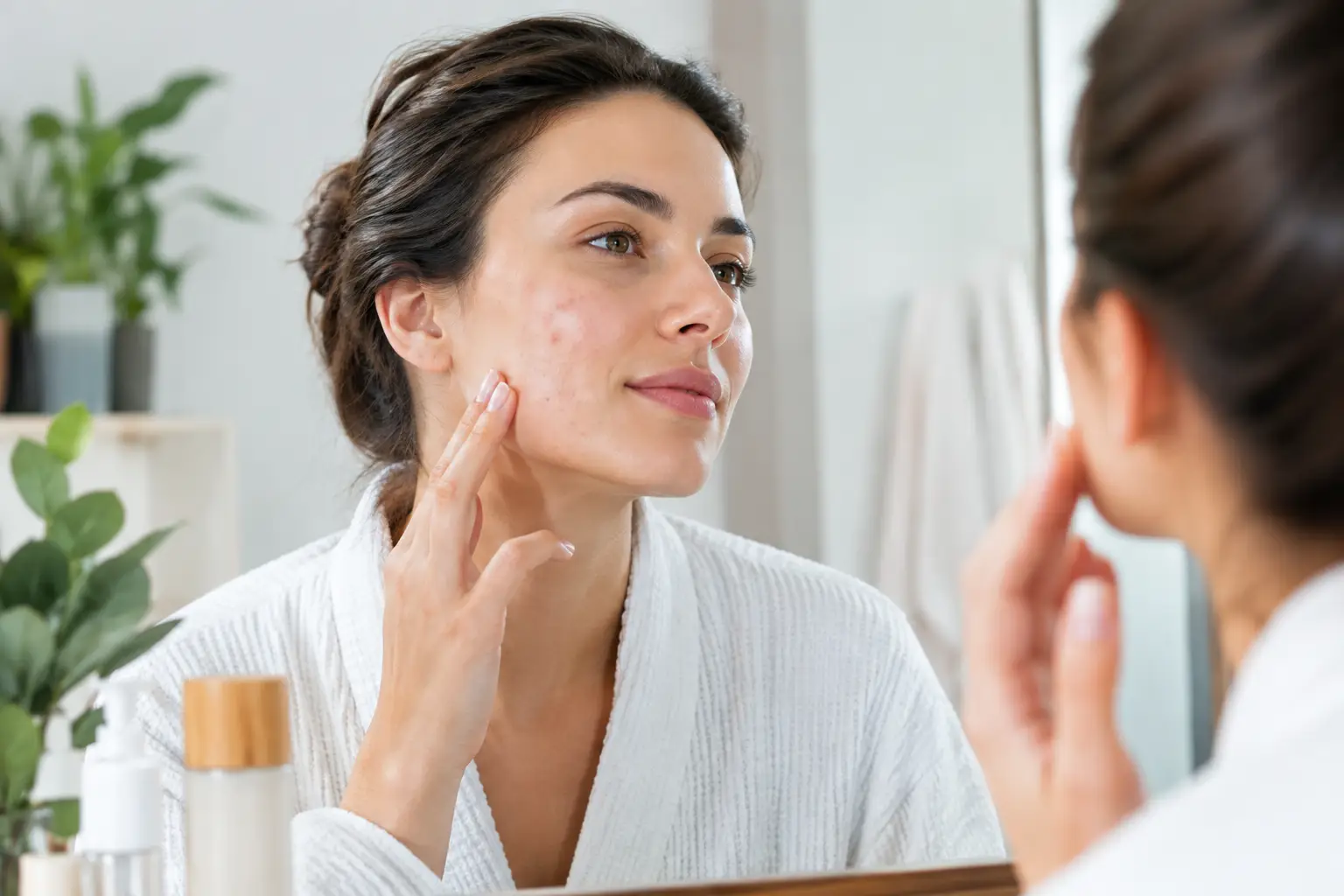
The mirror usually tells the story first. Skin that once looked even and rested can start to seem thinner, duller, or less steady under pressure. A late night, dry office air, stronger sun, frequent travel, lingering post-acne marks – over time, these do not just affect appearance. They can weaken how skin functions. That is where a skin repair serum becomes relevant, not as a quick fix, but as a focused step that helps support recovery, hydration, and resilience.
The term gets used loosely, which is part of the problem. Many products are described as repairing when they are really designed to exfoliate, brighten, or create a temporary smoothing effect. Those benefits can have a place, but repair is more specific. In skincare, repair means helping the skin barrier work properly, reducing unnecessary irritation, supporting water retention, and creating conditions in which skin can recover more efficiently from daily stress.
What a skin repair serum is meant to address
Healthy skin is not static. It is constantly responding to ultraviolet exposure, air pollution, air conditioning, heat, cleansing, friction, sleep disruption, and inflammation. In humid climates, people often assume dehydration is less of an issue, but skin can still lose water while also producing excess oil. That imbalance often shows up as tightness, congestion, sensitivity, and a tired-looking surface.
A well-formulated skin repair serum is designed to intervene at that point of imbalance. Rather than pushing the skin harder, it should help restore a more stable environment. This often means supporting the barrier with humectants, soothing ingredients, and biologically relevant compounds that encourage repair processes already built into the skin.
That distinction matters. If your skin is overworked, more intensity is not always more effective. Sometimes the most intelligent response is to reduce friction, increase support, and allow the skin to function better on its own.
The ingredients that make a skin repair serum credible
Not every repair-focused formula needs the same ingredient list, but credible serums tend to share a common logic. They do more than hydrate the surface for an hour or two. They combine water-binding ingredients, barrier-supportive components, and calming actives in a way that respects skin physiology.
Hyaluronic acid remains useful, especially when used in a well-balanced formula. It helps attract water and can improve the look and feel of dehydration-related roughness. On its own, however, it is not the full repair story. Hydration is part of recovery, but not the whole of it.
Ingredients such as panthenol, beta-glucan, centella asiatica, ectoin, ceramides, and peptides are often more telling in a repair context. Panthenol supports softness and barrier comfort. Beta-glucan can help calm stressed skin while reinforcing moisture retention. Ceramides are especially relevant when the barrier feels compromised, since they are naturally part of the skin’s lipid structure. Peptides can be useful when the goal is to support skin quality over time rather than force rapid visible change.
More advanced formulations may also include growth factor-adjacent technologies or exosome-inspired approaches. These are of growing interest because they speak to cellular communication and skin recovery pathways. They are not magic, and they should not be treated as a substitute for fundamentals like tolerability and barrier support. But in the right formulation, they can reflect a more modern understanding of how skin repair is regulated.
Niacinamide deserves a nuanced mention here. It can strengthen the barrier, help reduce visible redness, and improve uneven tone. Yet concentration matters. Higher percentages are not automatically better, particularly for sensitive or reactive skin. A repair serum should be judged not just by the presence of fashionable actives, but by how wisely they are dosed and combined.
What repair does not look like
Real repair is usually quieter than marketing suggests. It often shows up as less reactivity, better hydration through the day, a more even surface texture, and skin that recovers faster after stress. You may notice less stinging after cleansing, reduced flaking around the nose or mouth, or makeup sitting more evenly because the skin is less inflamed.
This is one reason some people dismiss repair products too early. If you expect dramatic resurfacing in three days, you may miss the more valuable changes. Stronger skin is not always immediately obvious, but it tends to be more consistent. It tolerates active ingredients better, loses less moisture, and looks less fatigued over time.
On the other hand, if a serum causes persistent burning, new roughness, or a cycle of tightness followed by oiliness, it may not be repairing anything at all. Skin can look temporarily polished while becoming more compromised underneath. A healthy formula should not require your skin to struggle in order to improve.
How to choose a skin repair serum for your skin state
Skin type matters, but skin state often matters more. Oily skin can still be dehydrated. Dry skin can also be acne-prone. Combination skin may be resilient in one area and reactive in another. The better question is not only “What is my skin type?” but also “What is my skin dealing with right now?”
If your main concern is dehydration and tightness, look for formulas centered on humectants and barrier support, with a light but cushioning texture. If your skin is reactive, prioritize fragrance-free or low-sensitization formulas with calming ingredients and fewer competing actives. If you are focused on post-acne marks and early aging, a repair serum that includes peptides, niacinamide, or advanced regenerative technologies may be useful, provided the base formula remains gentle.
Texture also matters more than many people realize. In warm, humid environments, a serum that is too occlusive can feel heavy and discourage consistent use. In air-conditioned offices or during travel, that same skin may need more cushioning than expected. The best product is not the one with the longest ingredient list. It is the one your skin can use regularly without resistance.
This is where a disciplined brand philosophy is often more valuable than trend-led formulation. Repair products should be designed for repetition, not just novelty. SHINORA’s approach to restoration before enhancement reflects that principle well. Skin usually does better when the routine is coherent and sustainable.
How to use a skin repair serum without undermining it
A good serum can be weakened by a poor routine around it. Application should be simple. Use it after cleansing, ideally on slightly damp skin if the formula allows, then follow with a moisturizer suited to your environment and skin needs. In the daytime, sunscreen remains essential. There is little logic in investing in repair while allowing daily ultraviolet exposure to continue unchecked.
Be careful about combining too many strong actives at once. If you are using retinoids, exfoliating acids, or benzoyl peroxide, a repair serum can be extremely helpful, but the overall routine needs balance. Sometimes alternating nights works better than layering everything together. It depends on your tolerance, your climate, and how much cumulative stress your skin is already carrying.
Consistency is more useful than intensity. A serum that supports your skin twice daily for months will usually do more than an aggressive formula you can only tolerate occasionally. This is especially true for professionals with demanding schedules, irregular sleep, frequent screen exposure, and indoor-outdoor temperature shifts. Skin under chronic low-grade stress tends to respond best to steady support.
The long view of repair
There is a deeper reason repair matters. Skin that is well supported does not just look better in the short term. It becomes a stronger foundation for everything else – brightening, smoothing, healthy aging, and even tolerance to more advanced treatments when needed. Restoration is not the opposite of progress. It is what makes progress possible.
A thoughtful skin repair serum should help your skin feel less reactive to life itself. Not invulnerable, not perfected, but better able to recover. That is a more realistic standard, and a more useful one. When a formula is doing its job, the skin often stops asking for so much attention – and starts showing more quiet strength instead.


Leave a Reply