
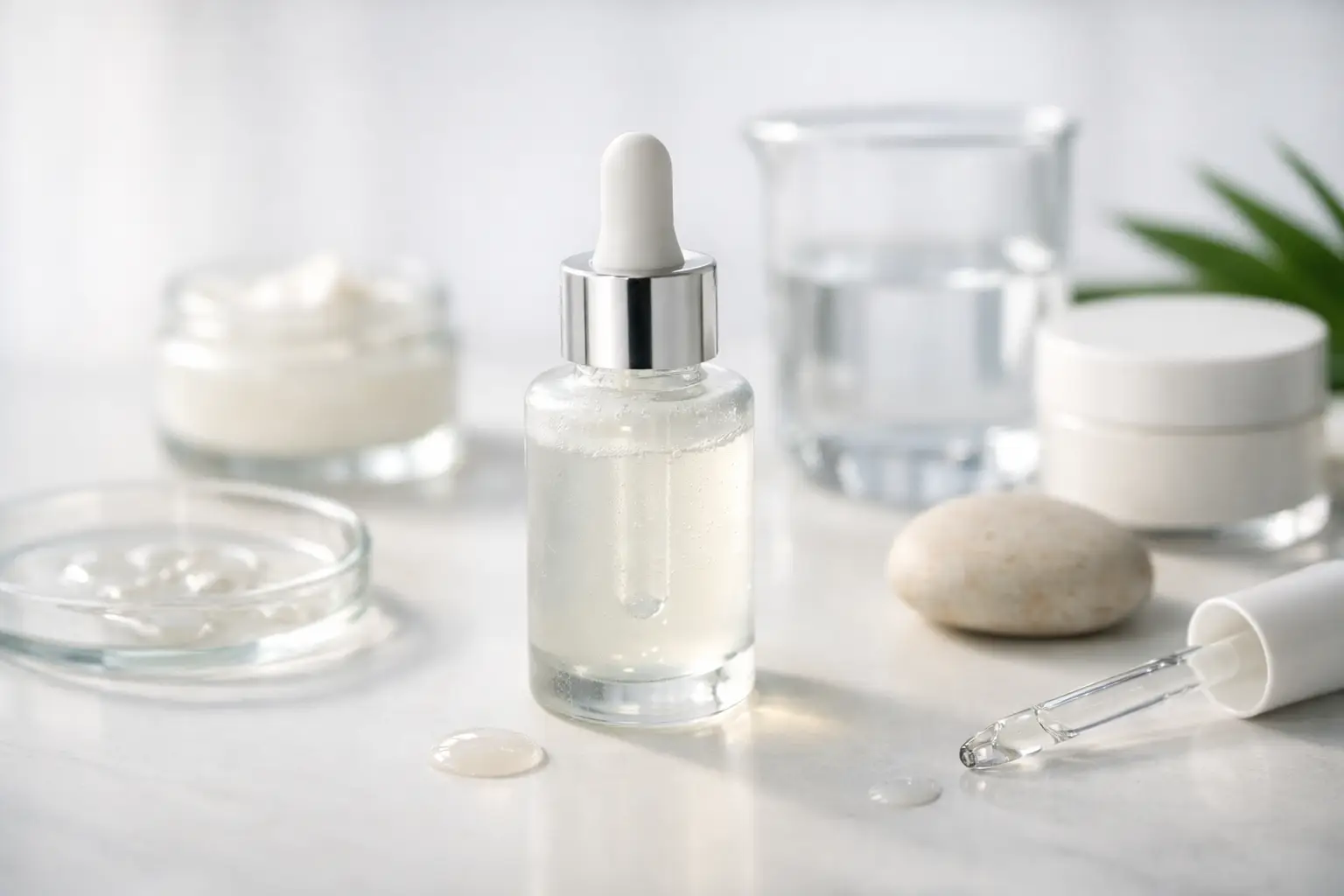
A serum can feel elegant on the skin and still do very little for a compromised barrier. That is the tension at the center of any honest skin barrier serum review. If your skin has become tight by midday, stings when you apply actives, or looks dull despite using expensive products, the question is not whether a serum feels nice. The question is whether it supports recovery in a way your skin can actually sustain.
Barrier care has become a crowded category, and the language around it is often far more dramatic than the formulations themselves. Many products borrow the vocabulary of repair while functioning mainly as lightweight hydrators. Hydration matters, of course, but a true barrier-supporting serum should help reduce transepidermal water loss, calm visible stress, and improve skin tolerance over time. That requires a closer look at formulation logic, not just marketing claims.
What a skin barrier serum review should actually assess
A useful skin barrier serum review should begin with the skin barrier itself. The outermost layer of the skin depends on a balanced structure of lipids, water, and healthy cell turnover. When that structure is disrupted by over-exfoliation, retinoid misuse, dry air, UV exposure, pollution, or chronic stress, the skin often becomes reactive before it becomes visibly damaged. You may notice roughness, redness, dehydration, or a sudden inability to tolerate products you used comfortably before.
A serum designed for barrier support sits in an interesting middle ground. It is not as occlusive as a cream, and it is not meant to replace a cleanser, moisturizer, or sunscreen. Its role is to deliver targeted ingredients in a format that layers well and supports repair without adding unnecessary strain. That means the best formulas are usually restrained rather than overloaded.
When reviewing one, texture should matter, but not in isolation. A watery serum with humectants may give immediate plumpness, yet leave vulnerable skin under-supported if it lacks lipid-replenishing or soothing ingredients. On the other hand, a richer serum may feel comforting but pill under sunscreen or sit too heavily in humid climates. For readers in places such as Malaysia or Singapore, that balance is especially relevant. A barrier serum has to support recovery while remaining wearable in heat, humidity, and long indoor hours under air conditioning.
The ingredients that deserve attention
Not every barrier serum needs the same ingredient list, but certain categories are consistently useful. Humectants such as glycerin, hyaluronic acid, and panthenol help draw and hold water in the upper layers of the skin. These can improve the immediate feel of dryness and dehydration, but they work best when paired with ingredients that reinforce the barrier itself.
Ceramides are among the most credible barrier-supporting ingredients because they reflect components naturally found in the skin. Cholesterol and fatty acids can also be valuable in restoring a healthier lipid balance. Niacinamide, when used at a well-tolerated level, may support barrier function, reduce visible redness, and improve resilience. Ectoin, beta-glucan, allantoin, and centella-derived compounds can be useful for soothing stressed skin, especially when irritation is part of the picture.
Peptides and newer repair-focused technologies may also have a place, but this is where discipline matters. Innovation is worthwhile only when it supports a clear purpose. A formula filled with trend ingredients can become less suitable for compromised skin if it also includes excess fragrance, aggressive exfoliating acids, or high concentrations of sensitizing actives. More is not better when the barrier is already under pressure.
The absence of certain ingredients can be just as telling as their presence. If a serum claims to repair but includes strong exfoliants, high alcohol content, or perfuming agents likely to irritate sensitive skin, the formula may be working against its stated purpose. There are exceptions, since some skin types tolerate these elements well, but a repair-oriented serum should generally lean toward compatibility.
Texture, tolerance, and realistic results
One of the easiest mistakes in this category is confusing comfort with repair. A silky serum may reduce tightness for an hour because it leaves a smooth film on the surface. That does not necessarily mean it is improving the skin’s function. A stronger review asks what happens after two to six weeks of consistent use. Is the skin less reactive? Does it sting less after cleansing? Does it hold hydration longer? Can it tolerate a simplified active routine more comfortably?
Those are more meaningful signs than immediate glow. Barrier recovery is often visible as calmness rather than radiance. Redness settles. Rough patches become less persistent. Makeup applies more evenly because the skin is not pulling moisture out of every layer placed on top. These shifts can feel subtle, but they tend to be more durable than the quick brightness associated with stronger resurfacing products.
This is also where formulation elegance matters. A barrier serum should be easy to use consistently. If it pills under sunscreen, feels greasy in humid weather, or leaves a tacky film that discourages daily use, even a promising ingredient list may fail in practice. Good skincare is not just about what is technically active. It is about what fits into real routines.
Who benefits most from a barrier serum
A barrier serum is often most useful for people whose skin has become overmanaged. This includes those using retinoids, exfoliating acids, acne treatments, or brightening products with enough frequency to disrupt balance. It also includes people exposed to long workdays, recycled office air, sun, heat, pollution, frequent travel, or inconsistent sleep. Skin does not need to be visibly peeling to be compromised. Persistent tightness, sensitivity, and a tired-looking surface are often early signs that the barrier needs support.
That said, not everyone needs a dedicated barrier serum. If your moisturizer already contains ceramides, cholesterol, and soothing ingredients, and your skin feels stable, adding another layer may be unnecessary. This category is most compelling when a targeted serum fills a clear gap – usually when skin is stressed, recovering, or struggling to tolerate an otherwise sensible routine.
People with oily or acne-prone skin sometimes avoid barrier-focused products because they expect heaviness. That concern is understandable, but it depends on the formula. A well-designed serum can provide hydration and calming support without the richness of a balm or cream. In fact, some acne-prone skin becomes more inflamed when the barrier is repeatedly stripped. Supporting it can improve tolerance and reduce the urge to over-correct.
A measured way to judge claims
The strongest products in this space tend to make modest promises. They do not position themselves as overnight rescue treatments for every skin issue. Instead, they support conditions under which the skin can recover more effectively. That distinction matters. A serum cannot replace sunscreen, undo chronic over-exfoliation in three days, or fully compensate for a routine built on irritation.
This is why a careful skin barrier serum review should be suspicious of dramatic language. Words such as repair and renewal can be meaningful, but only when they align with ingredient choice, product design, and realistic timelines. If a formula is truly aimed at restoration, it should show evidence of restraint – both in what it includes and in what it promises.
For brands committed to evidence-guided skincare, that restraint is a strength, not a limitation. SHINORA Health & Beauty, for example, sits within a more disciplined philosophy of skin support, where restoration comes before enhancement and consistency matters more than cosmetic theatrics. That approach tends to produce better long-term decisions, especially for skin already showing signs of fatigue or sensitivity.
What makes a serum worth keeping
The best barrier serums are rarely the most exciting at first use. They become valuable because the skin feels steadier after a month than it did at the start. You stop negotiating with irritation. You do not need to cycle through rescue products every time weather changes or stress rises. Your routine becomes quieter, and that quiet is often a sign that the formula is doing its job.
If you are evaluating one for yourself, look beyond surface softness. Consider whether the formula respects stressed skin, whether the ingredient list supports both hydration and barrier function, and whether the texture suits your climate and habits. A good serum should not demand ideal conditions to work. It should meet skin where it is – tired, exposed, sometimes overtreated – and help it become more resilient without unnecessary drama.
That is the standard worth using, especially when your skin is asking for recovery, not another performance.



Leave a Reply