
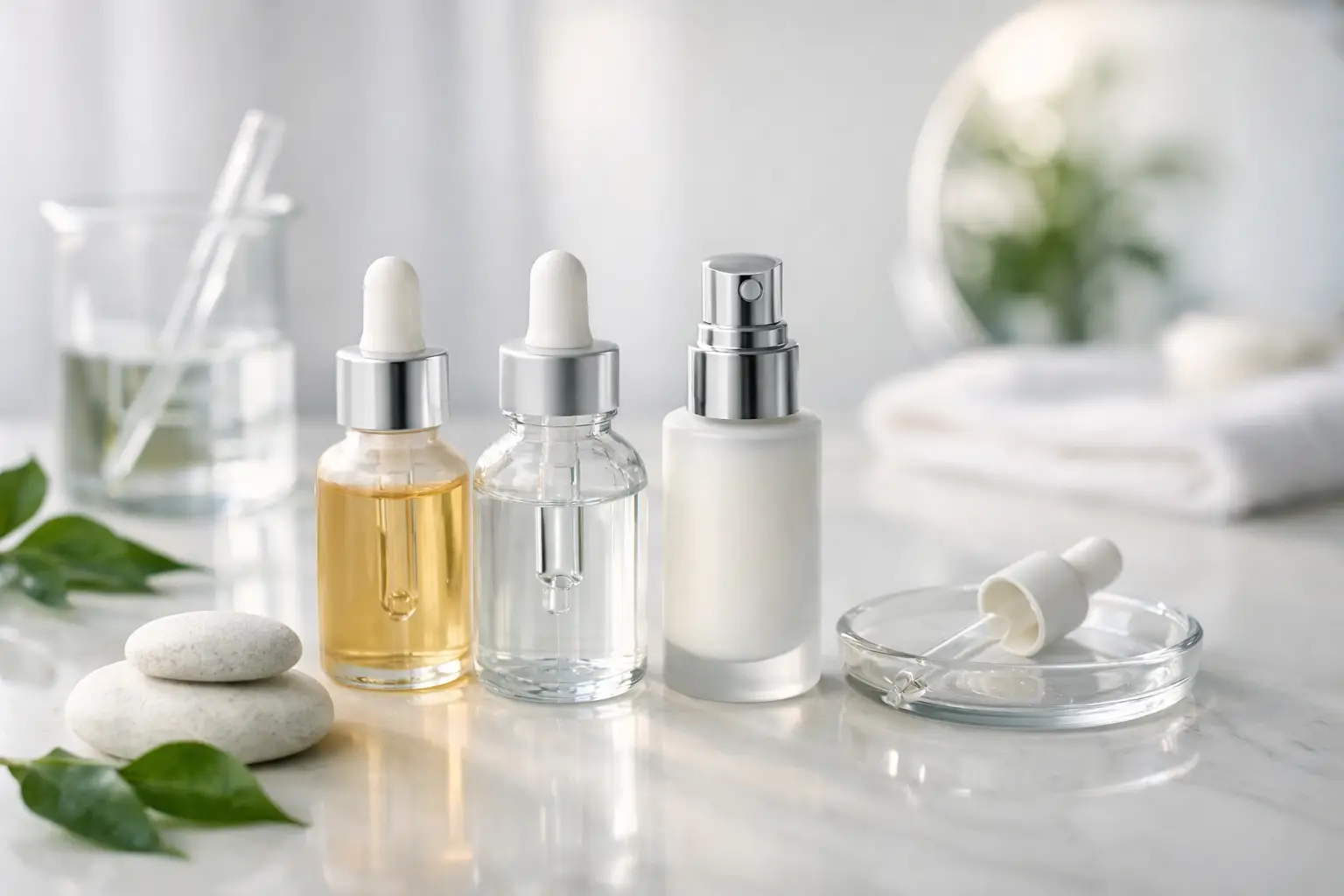
A serum can look impressive on a shelf and still be entirely wrong for your skin. The difference is rarely the trendiest ingredient or the highest percentage on the label. Knowing how to choose active serums begins with a quieter question: what does your skin need to recover, function well, and remain resilient under daily pressure?
For skin exposed to humidity, air conditioning, UV radiation, late nights, stress, and frequent cleansing, more activity is not always better. An effective serum should support visible progress without placing the skin barrier under unnecessary strain. The goal is not constant correction. It is steady restoration.
Start With the Skin Concern, Not the Ingredient
Active serums are concentrated treatments designed to address a specific skin concern. They may support hydration, brighten uneven tone, improve the appearance of fine lines, calm inflammation, encourage cell turnover, or help reduce the look of post-acne marks. Because they are focused products, they work best when chosen with equal focus.
Begin by identifying the concern that is most persistent, rather than reacting to every change you see in the mirror. Dehydrated skin can appear dull, lined, and less even. Irritated skin can develop breakouts, redness, and rough texture. In these cases, adding several exfoliating or brightening actives may intensify the issue rather than resolve it.
A useful distinction is between a primary concern and a temporary symptom. If your skin feels tight after cleansing, stings when applying products, or becomes unpredictable after introducing new treatments, barrier stress may be the primary concern. Hydrating and repair-focused serums are often the more intelligent first step. Once comfort and stability return, targeted corrective actives can be introduced with greater confidence.
How to Choose Active Serums by Skin Need
The right active depends on both your goal and your skin’s current capacity to tolerate treatment. There is no universally superior ingredient. There is only a better fit for a particular skin condition, routine, and stage of life.
For dehydration and skin fatigue
Look for humectants and barrier-supportive ingredients such as hyaluronic acid, glycerin, panthenol, beta-glucan, and carefully formulated peptides. Hyaluronic acid attracts water, but its performance depends on the surrounding formula and the moisturizer applied afterward. A hydrating serum should leave skin feeling more comfortable and flexible, not temporarily plump but increasingly reliant on frequent reapplication.
For tired, environmentally stressed skin, supportive formulations can be more valuable than aggressive resurfacing. Ingredients that help maintain hydration and reduce visible signs of stress create a stronger foundation for every other active in your routine.
For dullness and uneven tone
Vitamin C, niacinamide, tranexamic acid, azelaic acid, and certain licorice-derived compounds can be useful choices. Each works differently. Vitamin C is valued for antioxidant support and brightening, while niacinamide can help support the skin barrier and improve the appearance of uneven tone over time. Azelaic acid may suit skin that experiences both discoloration and congestion, although some people find it initially drying or tingly.
Do not assume that a stronger acid or higher vitamin C percentage will create faster results. Form stability, pH, delivery system, and your own tolerance matter. With pigmentation concerns, consistent sunscreen use is not optional. A brightening serum cannot compensate for ongoing UV exposure.
For texture, early signs of aging, and post-acne marks
Retinoids, retinal, retinol, exfoliating acids, and peptides may all have a place, but they require patience. Retinoids support cellular renewal and can improve the appearance of fine lines, uneven texture, and discoloration over time. They can also cause dryness, flaking, and irritation when introduced too quickly.
Exfoliating acids, including AHAs and BHAs, can help with surface dullness, clogged pores, and texture. Yet frequent use is not a measure of sophistication. If skin becomes persistently sensitive, shiny but tight, or unusually reactive, the routine may be over-exfoliating. Use one primary renewal pathway at a time, especially when beginning.
For redness, sensitivity, or a compromised barrier
Choose restraint. Serums with ceramides, ectoin, panthenol, centella asiatica, beta-glucan, and low-irritation humectants may be more appropriate than strong acids or retinoids. A repair-focused formula can help create the conditions in which future active treatments are better tolerated.
This is not a lesser routine. Calm, well-supported skin often looks clearer, smoother, and more luminous precisely because it is not caught in a cycle of irritation and recovery.
Read Formulations, Not Just Hero Ingredients
Ingredient lists are useful, but they do not tell the complete story. A well-chosen active serum considers the formula around the active: its texture, delivery system, pH, packaging, preservatives, and compatibility with other products.
Vitamin C offers a clear example. L-ascorbic acid has strong research behind it, but it can be unstable and irritating in some formulations. Derivatives may be gentler and more stable, though they may work differently and require more time. Neither approach is automatically better. The appropriate choice depends on skin sensitivity, routine simplicity, and the product’s overall design.
Packaging also matters. Antioxidants that degrade with light and air are better protected in opaque, air-restricted containers. A formula that has changed color, scent, or texture may no longer perform as intended. Precision is not only about choosing an ingredient. It is about choosing an ingredient that remains viable from first use to last.
Be cautious with formulas that combine multiple potent actives simply to appear comprehensive. A serum containing vitamin C, retinoids, exfoliating acids, and fragrance may promise efficiency, but it can make irritation difficult to identify and manage. A measured routine of compatible products is often more effective than one highly crowded formula.
Strength Is Only Useful When Skin Can Tolerate It
The skincare industry often presents higher percentages as proof of performance. In reality, the most effective concentration is the one you can use consistently without compromising your skin barrier.
If you are new to retinoids, acids, or stronger antioxidant formulas, begin with a lower strength and limited frequency. Apply the product two or three nights a week, then observe your skin for several weeks before increasing use. Redness, burning, persistent dryness, and peeling are not signs that a treatment is working harder. They are signals that the skin may need a slower approach.
Patch testing is sensible, particularly for reactive skin or unfamiliar actives. Apply a small amount to a discreet area for several days before using it across the face. This does not guarantee that irritation will never occur, but it can reduce the likelihood of an immediate unwanted reaction.
Pregnancy, breastfeeding, prescription treatments, eczema, rosacea, and persistent acne can change what is appropriate. In these circumstances, professional guidance is worthwhile, especially before using retinoids or intensive exfoliating treatments.
Build a Routine That Gives the Serum a Fair Chance
A serum is not meant to carry the entire routine. It works within a system: gentle cleansing, appropriate moisturizing, and daily broad-spectrum sunscreen. Without these basics, even a well-formulated active may produce limited or inconsistent results.
Use water-based hydrating serums after cleansing and before moisturizer. More treatment-focused serums can be used in the morning or evening according to their active ingredient and your tolerance. Antioxidant serums are often suited to morning use alongside sunscreen. Retinoids are generally reserved for evening. Exfoliating acids may be used at night on separate evenings from retinoids, particularly when skin is still adapting.
Introduce one new active at a time. This makes it easier to recognize what is helping, what is irritating, and what your skin does not need. Give most serums at least six to twelve weeks of consistent use before judging their value, unless irritation appears sooner.
Choose Progress Over Intensity
The most thoughtful serum choice is rarely the one that promises a dramatic transformation by next week. Skin changes in response to biology, environment, sleep, hormones, and time. A product can support that process, but it should not ask skin to endure constant disruption in exchange for a temporary glow.
Choose formulations that align with your present condition, then allow consistency to do its quiet work. When care is guided by tolerance, protection, and purposeful ingredients, improvement becomes something your skin can sustain.


Leave a Reply