
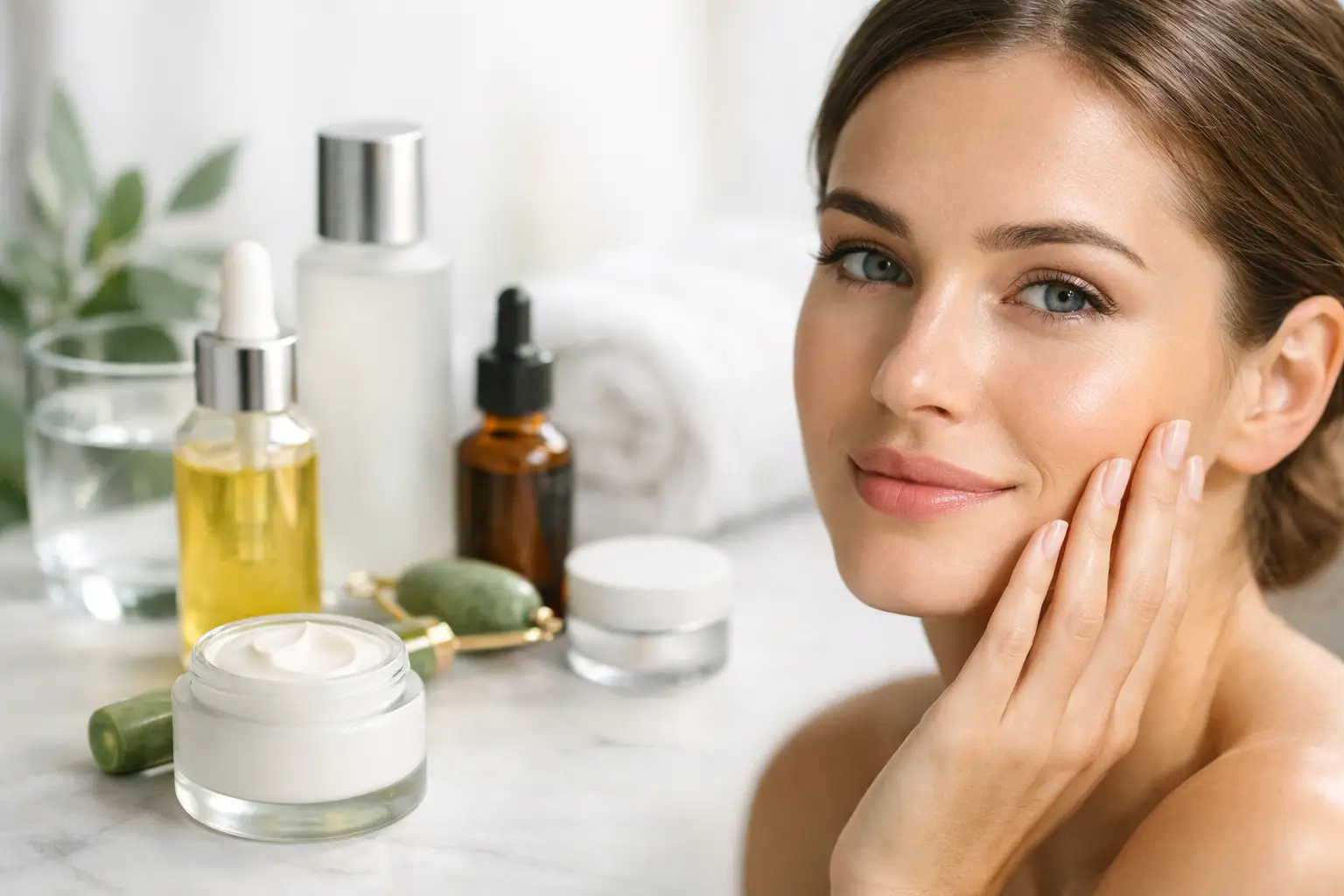
Skin rarely changes overnight. More often, it reflects the cumulative effect of ultraviolet exposure, air pollution, disrupted sleep, dehydration, stress, and routines that ask too much of the skin barrier. That is why preventive ageing skincare trends are moving away from dramatic correction and toward a more intelligent objective: helping skin remain calm, hydrated, and resilient before visible concerns become harder to manage.
For many people, prevention does not mean beginning an aggressive anti-aging regimen in their twenties or attempting to erase every expression line. It means understanding what compromises skin function, then building a routine that supports recovery with consistency. The most meaningful progress is often subtle at first: less tightness, more even luminosity, fewer reactive episodes, and a complexion that looks rested rather than overworked.
Preventive Ageing Skincare Trends Are Becoming More Measured
The most useful shift in preventive care is philosophical. Skincare is increasingly being judged not only by how quickly it changes the surface of the skin, but by whether it respects the conditions required for long-term skin health.
This is particularly relevant for people balancing demanding work, frequent travel, urban exposure, air conditioning, and inconsistent rest. In these conditions, a routine built around frequent exfoliation or high-strength actives can create a cycle of irritation, dehydration, and sensitivity. The skin may appear temporarily smoother, while its tolerance becomes progressively weaker.
A preventive approach asks a different question: what does the skin need to maintain its protective function over time? The answer usually begins with barrier support, photoprotection, controlled use of active ingredients, and realistic consistency.
Barrier Health Is Now the Foundation, Not an Afterthought
The skin barrier is often described as a wall, but it is better understood as an active protective system. Its outermost layer helps limit moisture loss while reducing exposure to irritants, allergens, and environmental particles. When this system is compromised, skin can feel dry or sting easily, appear dull, develop uneven texture, and become less able to tolerate products that once felt comfortable.
One of the clearest skincare trends is the return to formulations designed around hydration and restoration. Humectants such as hyaluronic acid draw water into the upper layers of skin. Emollients soften roughness and support comfort. Lipid-focused ingredients can help reinforce the skin’s natural moisture barrier. None of these are glamorous shortcuts, but they are central to skin that is better equipped to withstand everyday stress.
This does not mean every routine needs multiple hydrating serums and a heavy cream. Skin type, climate, and lifestyle matter. In humid environments, lightweight hydration layered beneath sunscreen may be sufficient. Drier or sensitized skin may benefit from a richer, more protective finish at night. The goal is not excess. It is the right level of support for the skin’s current condition.
Daily Sun Protection Remains the Most Practical Intervention
New ingredients often attract attention, but daily broad-spectrum sunscreen remains one of the most established preventive measures available. Ultraviolet exposure contributes to visible discoloration, loss of firmness, uneven texture, and premature fine lines. It can occur during ordinary routines, not only during long days outdoors.
The trend is not simply wearing sunscreen when it is convenient. It is choosing one that fits your real life well enough to use every day. Texture, finish, compatibility with makeup, and comfort in heat all affect consistency. A technically excellent formula that remains untouched on a shelf offers little protection.
For adults concerned about dullness, post-acne marks, or uneven tone, sun protection also supports the results of the rest of the routine. Brightening ingredients and renewal-focused treatments can be useful, but they are working against a moving target if skin is repeatedly exposed without adequate protection.
Active Ingredients Are Being Used With More Restraint
Retinoids, exfoliating acids, vitamin C, peptides, and newer repair-focused technologies all have a place in modern skincare. The trend worth following is not using every active at once. It is using a small number with purpose, at a frequency the skin can tolerate.
Retinoids, for example, can support smoother texture and improved appearance of fine lines over time, but they can also cause dryness and irritation when introduced too quickly. Chemical exfoliants may help with congested or uneven-looking skin, yet daily use is not automatically better. Vitamin C can be a valuable antioxidant addition in a morning routine, though the ideal format depends on sensitivity, formulation, and how it layers with sunscreen.
A measured routine often creates better long-term results than a crowded one. Introduce one active ingredient at a time. Begin at a modest frequency. Watch for persistent stinging, flaking, or increased sensitivity rather than assuming discomfort is evidence that a product is working. Skin does adapt in some cases, but ongoing irritation is not a necessary stage of healthy aging care.
Repair-Focused Innovation Is Shaping the Next Category
Interest in regenerative and repair-oriented skincare is growing, including technologies inspired by cellular communication and recovery processes. Exosomes, growth factor-inspired approaches, peptides, and advanced delivery systems are becoming part of the wider discussion around skin renewal.
These developments are promising, but they also require discernment. The language around regenerative skincare can move faster than the available evidence, and product quality varies substantially. A sophisticated ingredient name is not, by itself, a guarantee of clinical relevance, safety, or meaningful concentration.
The most credible direction is one that treats innovation as support rather than spectacle. Repair-focused formulations should complement the skin’s existing processes, help address the effects of environmental and lifestyle stress, and fit within a stable routine. They are not a replacement for sunscreen, adequate hydration, sleep, or medical advice when a skin condition requires professional care.
Skin Longevity Is Becoming Part of Everyday Wellness
Preventive skincare is increasingly connected to the broader realities of modern life. Poor sleep can make the skin appear dull and less resilient. Chronic stress may contribute to inflammatory patterns and slower recovery. Alcohol, smoking, insufficient water intake, and highly variable routines can all influence how skin looks and feels.
This does not mean that skincare should become another source of pressure. A longevity-minded routine is not about controlling every lifestyle variable perfectly. It is about recognizing that the skin responds to patterns. A few dependable practices, repeated over months and years, can be more valuable than periodic bursts of intensive care.
A simple morning routine might focus on gentle cleansing when needed, antioxidant or hydrating support, moisturizer, and sunscreen. In the evening, cleansing away the day’s buildup, restoring hydration, and using one well-chosen active on appropriate nights is often enough. The exact steps can change with the season, travel, hormonal shifts, or sensitivity, but the underlying principle remains stable: restore first, then refine.
How to Choose Trends Without Chasing Them
The strongest preventive approach is not driven by novelty. Before adding a new product or ingredient, consider whether it addresses a specific need in your routine. If skin is persistently dehydrated, barrier support may be more useful than another exfoliating treatment. If discoloration is a concern, consistent sunscreen and a tolerable brightening ingredient may matter more than a complex collection of serums.
It is also worth giving products enough time. Hydration may improve how skin feels relatively quickly, while changes in uneven tone, texture, and fine lines generally require patience. Taking occasional photographs in similar lighting can offer a more balanced perspective than judging the skin closely each morning.
At SHINORA, the focus is on this quieter form of progress: formulations and routines that respect the skin’s need to repair, recover, and remain resilient. Healthy aging is rarely the result of one transformative product. It is the accumulated effect of thoughtful protection, measured treatment, and care that the skin can live with every day.
The most enduring trend may be the least dramatic one: choosing fewer interventions, using them well, and allowing restoration to become part of the rhythm of daily life.


Leave a Reply