
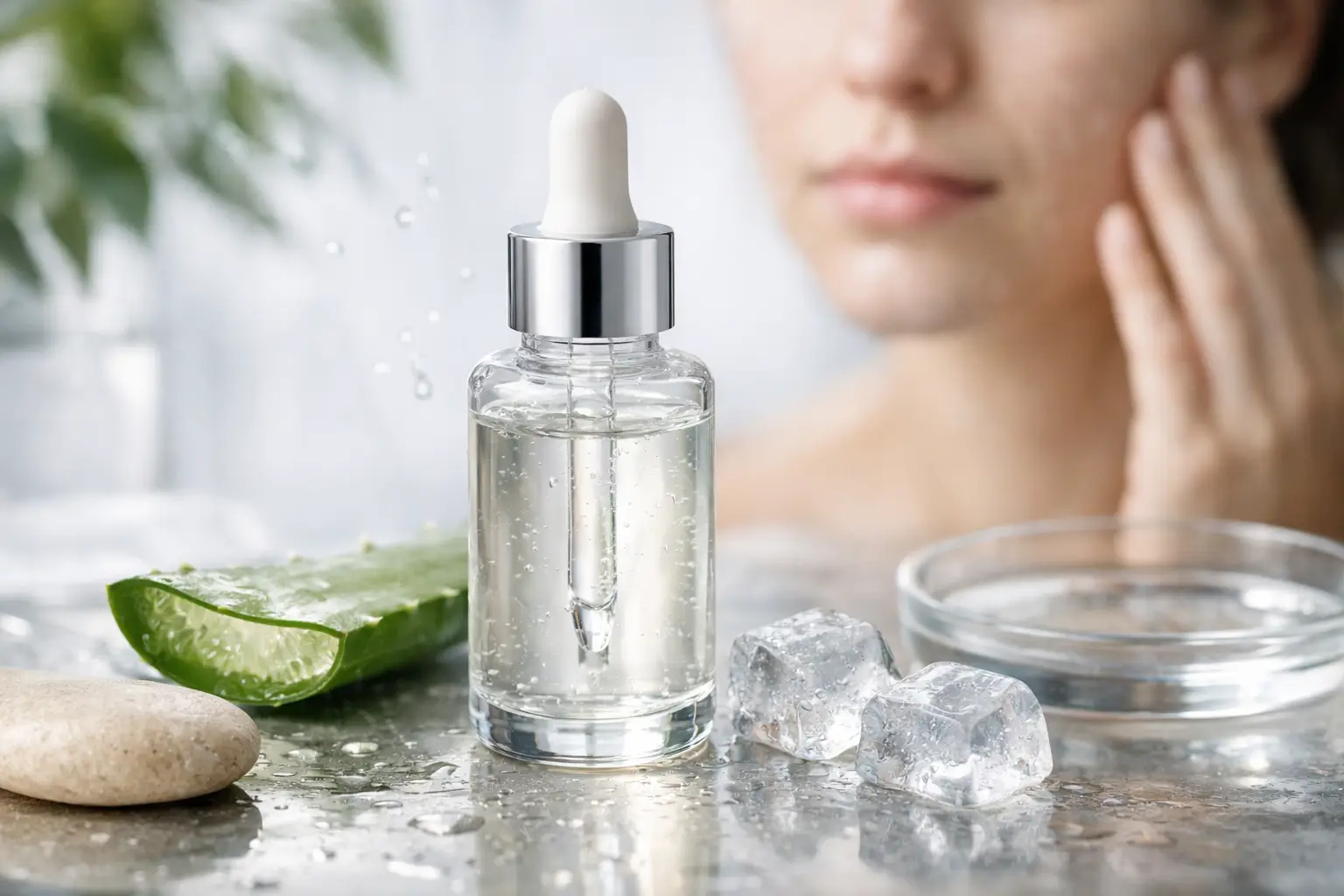
Skin can look tired long before it is truly aging. A flat tone, rough texture, and that familiar feeling of tightness by midday often point to one issue hiding in plain sight – dehydration. If you are searching for the best serum for dehydrated dull skin, the right answer is usually less about chasing instant glow and more about choosing a formula that restores water balance, supports barrier recovery, and reduces the stress load your skin manages every day.
Dehydrated skin is often misunderstood because it can happen to almost any skin type. Oily skin can be dehydrated. Acne-prone skin can be dehydrated. Even skin that appears resilient can become noticeably dull when moisture regulation is disrupted by air conditioning, sun exposure, over-cleansing, poor sleep, or an overly aggressive routine. A serum can help, but only if it is built with the right purpose.
What the best serum for dehydrated dull skin should actually do
A good serum for this concern has three jobs. First, it should attract and retain water in the upper layers of the skin. Second, it should support the barrier so that hydration is not immediately lost. Third, it should help reduce the visible fatigue that makes skin look uneven, flat, and less alive.
That may sound simple, but many serums only do one of these well. Some give quick surface hydration yet leave skin tight again within hours. Others focus heavily on exfoliation or brightening and create temporary smoothness while quietly worsening dehydration. This is where formulation matters more than marketing language.
The best serum for dehydrated dull skin is usually one that combines humectants, barrier-supportive ingredients, and gentle restorative actives rather than relying on a single hero ingredient.
Why dehydrated skin becomes dull
Dullness is not only about pigmentation or dead skin buildup. When skin lacks water, its surface becomes less smooth and less able to reflect light evenly. Fine lines may appear more obvious. Texture can feel slightly rough. The complexion may look gray, tired, or inconsistent even when there is no major breakout or irritation.
Dehydration also tends to weaken the skin’s tolerance. Once the barrier is under strain, skin becomes more reactive to acids, fragrance, harsh cleansers, and environmental exposure. This can create a cycle where people keep adding stronger brightening products to fix dullness while the real issue is still unresolved.
For professionals, frequent travelers, city dwellers, and anyone managing long hours under stress, this pattern is common. Skin is not simply dry. It is depleted, overstimulated, and trying to recover.
Ingredients worth looking for
Hyaluronic acid and multi-weight humectants
Hyaluronic acid remains one of the most useful ingredients for dehydrated skin when used in a well-balanced formula. It helps bind water to the skin and can improve immediate suppleness. Multi-weight hyaluronic acid is often preferable because different molecular sizes work across different surface levels, creating a more complete hydration effect.
Still, hyaluronic acid alone is not enough in a dry climate or an over-conditioned indoor environment. Without barrier support around it, the results may feel temporary.
Glycerin, panthenol, and amino acids
These ingredients are often less glamorous but extremely effective. Glycerin is one of the most reliable humectants in skincare. Panthenol helps soothe and support barrier repair. Amino acids contribute to the skin’s natural moisturizing factors and can improve resilience over time.
If your skin feels both dull and slightly irritated, these are often more valuable than strong resurfacing actives.
Ceramides and barrier lipids
When dehydration is persistent, barrier ingredients deserve serious attention. Ceramides, cholesterol, and fatty acids help reinforce the skin’s protective structure so that hydration stays where it should. A serum does not need to feel heavy to do this well. The best formulas manage to feel elegant while still supporting repair.
Niacinamide in the right concentration
Niacinamide is useful because it sits at the intersection of hydration, barrier function, and visible brightness. It can help strengthen the skin barrier, reduce uneven tone, and improve the overall look of fatigue. That said, more is not always better. Some people do very well with moderate levels, while high concentrations can feel overstimulating on already stressed skin.
Repair-focused actives
This is where serum selection becomes more interesting. Modern restorative formulas may include peptides, antioxidant support, or advanced ingredients designed to encourage recovery rather than force rapid turnover. For skin that is both dehydrated and dull, this approach tends to be more sustainable than aggressive correction.
What to be careful with
A brightening serum is not automatically the best serum for dehydrated dull skin. If the formula leans heavily on exfoliating acids, strong vitamin C at a low pH, or multiple high-intensity actives layered together, it may improve glow briefly while increasing sensitivity and water loss.
This does not mean you must avoid active ingredients altogether. It means the sequence matters. Skin that is dehydrated usually responds better when hydration and repair come first, with brightening support added in a measured way.
Fragrance-heavy serums can also be a poor match if your skin is already tight, reactive, or fatigued. A pleasant sensory experience is not a problem by itself, but it should never come at the expense of tolerance.
How to choose based on your skin pattern
If your skin feels oily but looks flat, choose a lightweight hydrating serum with glycerin, hyaluronic acid, niacinamide, and calming support. You want water balance without unnecessary richness.
If your skin feels tight, looks crepey by evening, or stings easily, look for a serum that pairs humectants with ceramides, panthenol, and gentle repair ingredients. In this case, barrier function is likely part of the problem.
If dehydration comes with early signs of aging, a formula with peptides or other recovery-centered actives may be especially worthwhile. You are not only trying to create a fresher appearance. You are trying to improve how the skin functions under daily strain.
If dullness is your biggest concern but your skin is also sensitive, avoid the temptation to over-exfoliate. A restorative serum can often improve radiance simply by reducing surface roughness and supporting healthier hydration dynamics.
Best serum for dehydrated dull skin in a real routine
Even an excellent serum cannot compensate for a routine that constantly strips the skin. Cleansing too aggressively, using multiple exfoliants, skipping moisturizer, or relying on spot treatments across the whole face can keep dehydration in place.
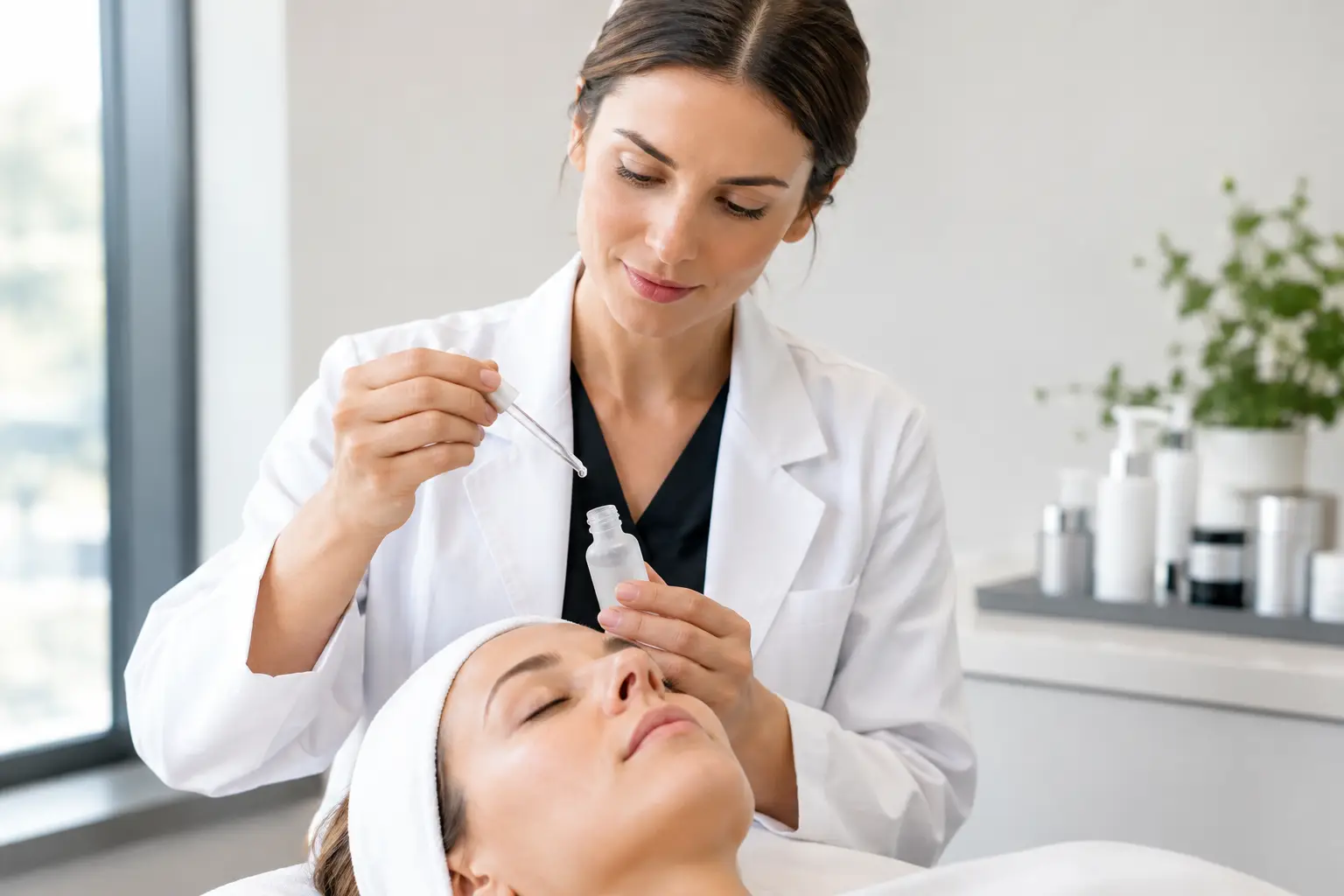
In most cases, the serum should be applied to slightly damp skin after cleansing. This helps humectants work more effectively. Follow with a moisturizer that seals in hydration and strengthens the barrier. During the day, sunscreen matters because UV exposure quietly worsens both dullness and dehydration, even when skin does not feel irritated.
If you are using retinoids or acids, the answer is not always to stop. Sometimes it is to reduce frequency, improve hydration support, and restore balance around those actives. Skin tends to respond well when the routine becomes more disciplined and less crowded.
For those who prefer a clinically minded, repair-first approach, this is where brand philosophy matters. SHINORA Health & Beauty reflects a more measured view of skin progress, where resilience and recovery are treated as the foundation for visible improvement rather than an afterthought.
The result to expect
The best serum for dehydrated dull skin should make skin feel more comfortable fairly quickly, often within days. Visible changes in texture, softness, and radiance usually follow with consistent use over several weeks. What you are looking for is not a dramatic overnight transformation. It is the return of steadier hydration, smoother light reflection, and a complexion that appears less strained.
That distinction matters. Healthy-looking skin rarely comes from pushing harder. More often, it comes from supporting the systems that have been under pressure for too long.
When a serum is chosen well, skin does not just look brighter. It behaves differently. It becomes less reactive, less tight, and more able to maintain balance through long workdays, changing weather, travel, and the ordinary pressures of modern life.
The most useful question is not which product promises the fastest glow. It is which formula helps your skin recover enough to hold onto that glow on its own.

Leave a Reply