
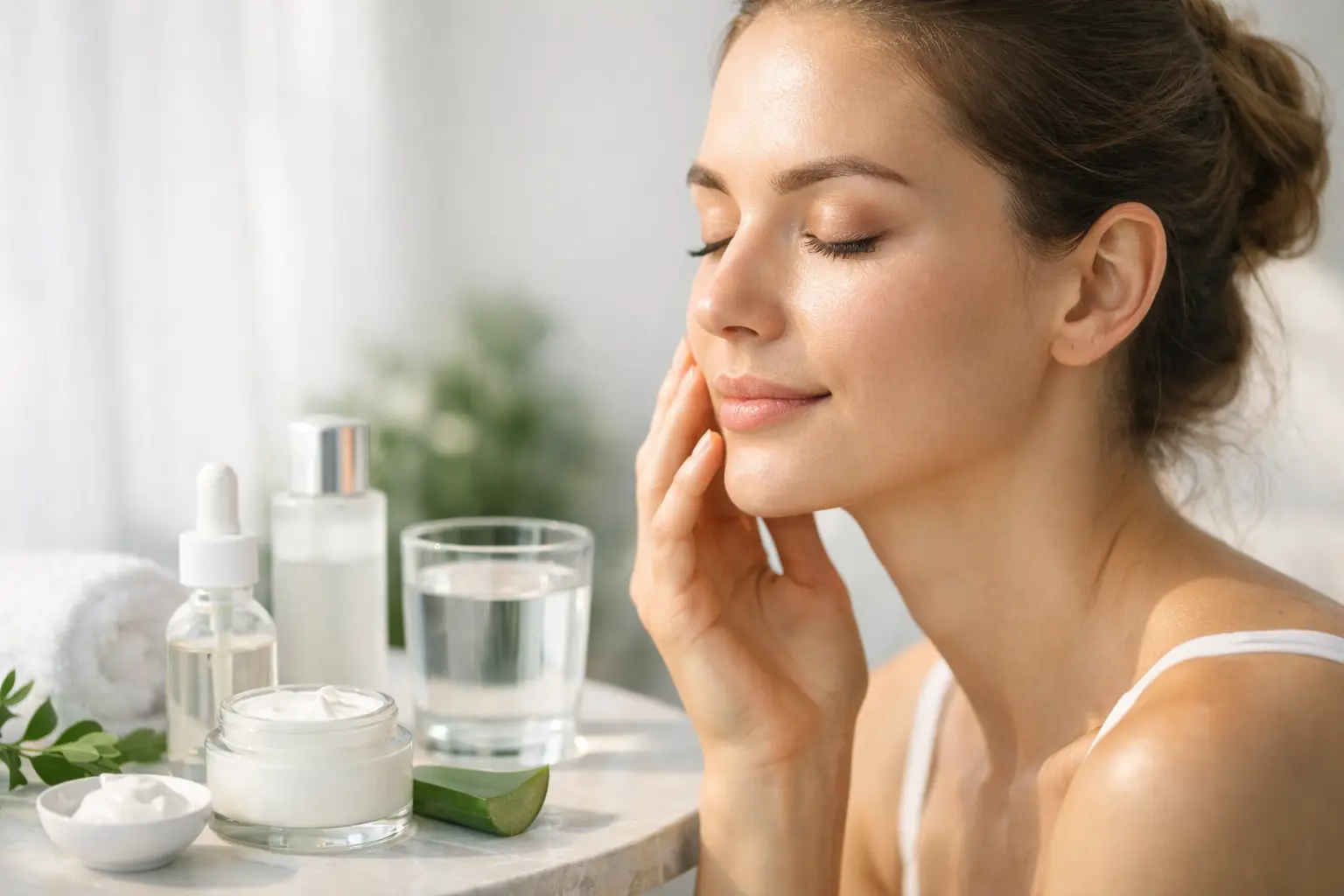
Skin rarely asks for more. More acids, more steps, more intensity often create the very fatigue people are trying to correct. If you are trying to understand how to support skin recovery, the better question is usually not what to add next, but what to remove, protect, and restore.
Recovery is not a trend term. It describes the skin’s ability to repair barrier disruption, calm visible irritation, retain water, and maintain a more stable surface in the face of daily stress. That stress may come from sun exposure, air conditioning, urban pollution, lack of sleep, travel, over-cleansing, aggressive actives, or simply the cumulative pressure of a busy routine. When recovery is compromised, skin often looks duller, feels tighter, becomes more reactive, and takes longer to bounce back.
A measured recovery-focused approach does not mean doing less for the sake of minimalism. It means doing what is necessary with more discipline. Healthy-looking skin is usually the result of consistency, not escalation.
What skin recovery actually involves
Skin recovery is often reduced to soothing irritation, but the process is broader than that. The skin barrier has to maintain structure, lipids have to stay balanced, water must be retained, and inflammation needs to remain controlled enough for normal repair to proceed. At the same time, skin is constantly responding to environmental exposure and internal shifts such as stress hormones, sleep quality, and age-related changes in renewal.
This is why two people can use the same product and see very different results. One may have resilient skin with a stable barrier. The other may be dealing with dehydration, post-breakout sensitivity, or low-grade inflammation from overuse of exfoliants. Recovery support depends on what the skin is trying to recover from.
For some, the priority is rebuilding barrier comfort after retinoid irritation. For others, it is supporting clearer post-acne healing without creating new sensitivity. In mature skin, recovery may also involve compensating for slower renewal and reduced natural moisture retention. The principle remains the same – restoration before enhancement.
How to support skin recovery without overcorrecting
The first step is to reduce avoidable strain. Skin that is repeatedly pushed into irritation cannot repair efficiently, no matter how many treatment products are layered on top. If your routine includes multiple exfoliating acids, strong retinoids, frequent scrubs, or cleansing that leaves the skin squeaky, scaling back is often more productive than adding another serum.
Start with cleansing that respects the barrier. A good cleanser should remove sunscreen, oil, and debris without leaving the skin tight. That tight, overly clean feeling is often a sign that the surface lipids needed for comfort and barrier function have been stripped away. For skin in recovery mode, a gentle cleanser used with lukewarm water is usually enough.
The next priority is hydration, but hydration should be understood properly. Skin needs both water-binding ingredients and the support to keep that water from escaping. Humectants such as hyaluronic acid can help attract and hold moisture in the upper layers of the skin, especially when applied in a routine that also includes emollient and barrier-supportive ingredients. On very dry skin or in highly air-conditioned environments, humectants alone may not feel sufficient. They work best as part of a layered approach rather than a complete solution.
Then comes barrier repair. Ingredients that help reinforce the skin’s protective function can be particularly useful when recovery is the goal. Ceramides, glycerin, panthenol, squalane, and carefully formulated lipid-rich moisturizers can help reduce transepidermal water loss and support a more comfortable, resilient skin surface. This is where restraint matters. A product does not need to feel aggressive to be effective.
The role of inflammation, stress, and recovery time
One of the most overlooked parts of skin recovery is timing. Skin does not repair on demand. Even with an appropriate routine, improvement can take weeks because the barrier needs time to re-stabilize and visible signs such as roughness, redness, and post-inflammatory marks change gradually.
Stress also deserves more attention than it usually gets. Elevated stress can influence sleep, inflammation, oil production, and habits that indirectly affect the skin, from inconsistent routines to poor recovery after environmental exposure. This does not mean every skin issue is stress-related, but it does mean that skin recovery is rarely only topical.
If your skin looks persistently tired despite using well-formulated products, consider the broader pattern. Long workdays, poor sleep, dehydration, frequent travel, and heavy indoor climate control can all contribute to a skin state that feels chronically depleted. In these cases, supportive skincare helps, but the most visible improvement often comes when topical care and lifestyle recovery begin to align.
Ingredients that can help support skin recovery
Not every effective ingredient is appropriate for every phase of recovery. When skin is actively irritated, the goal is usually comfort and barrier restoration first. Once stability improves, more advanced actives may be reintroduced carefully.
Humectants such as hyaluronic acid and glycerin are useful for restoring surface hydration and reducing the tight, flat look associated with dehydrated skin. Barrier-supportive ingredients like ceramides and fatty acids can improve comfort and resilience over time. Panthenol is often well tolerated and helps support a calmer, better-hydrated skin environment.
For skin dealing with visible fatigue, dullness, or recovery after environmental stress, antioxidants may also play a role. They can help address the ongoing oxidative burden that contributes to a worn-looking complexion. The key is formulation quality and tolerance. A strong antioxidant product is not automatically the best one if it leaves the skin reactive.
More advanced technologies, including repair-focused signaling ingredients and exosome-informed innovation, are increasingly part of the skin recovery conversation. These areas are promising because they reflect a shift away from superficial quick fixes and toward supporting the skin’s own regenerative processes. Even so, the right context matters. Advanced actives tend to perform better on skin that already has a stable foundation of cleansing, hydration, moisturizer, and daily sun protection.
How to support skin recovery after irritation or breakouts
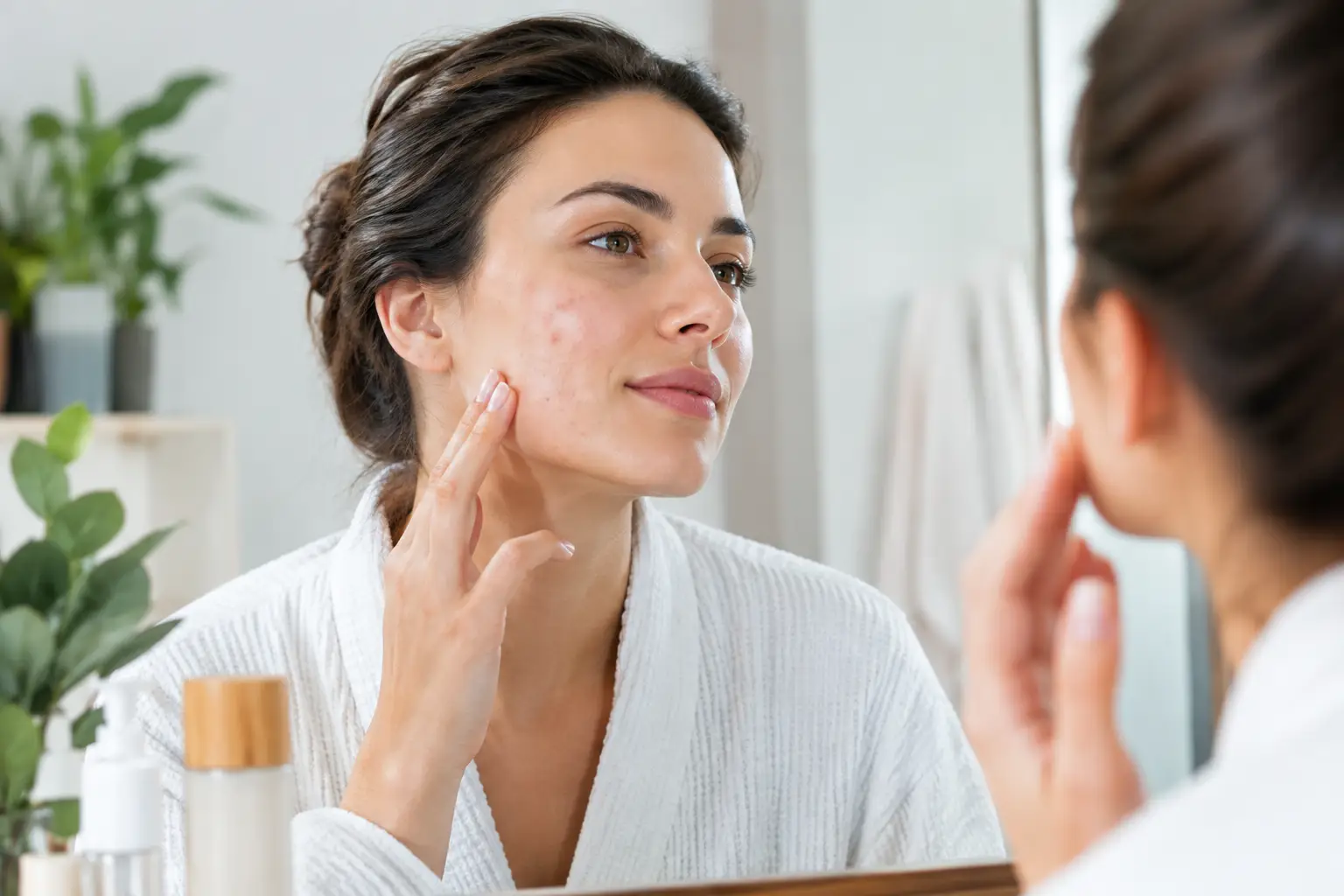
Recovery after breakouts can be especially frustrating because the skin often needs two things at once – clarity and gentleness. Many people continue treating blemish-prone skin as if it must always be dried out or exfoliated aggressively. In reality, over-treatment can prolong redness, increase sensitivity, and impair healing.
If your skin is recovering from breakouts, keep the routine focused and predictable. Use a gentle cleanser, a hydrating serum or essence if needed, a barrier-supportive moisturizer, and sunscreen during the day. Spot-focused treatments can still have a place, but they should not dominate the entire face if the surrounding skin is becoming compromised.
Post-acne marks and uneven texture also require patience. Recovery is often slower when inflammation continues in the background. Calmer skin usually heals more efficiently than skin that is constantly being challenged.
Daily habits that make recovery easier
The most effective recovery routines are often unremarkable. They do not rely on constant novelty. They rely on habits that reduce friction and support consistency.
Sun protection is one of them. Skin cannot recover well while being repeatedly undermined by UV exposure. Daily sunscreen helps protect collagen, reduce the persistence of post-inflammatory discoloration, and limit the environmental load the skin has to manage.
Application habits matter too. Rubbing products in aggressively, cleansing too often, switching formulas every few days, or using too many actives at once can all interrupt recovery. A calm routine is not only about what you use. It is also about how steadily you use it.
And then there is sleep. Nighttime is not a marketing concept in skincare. It is one of the periods when the skin shifts into more active repair behavior. Poor sleep will not erase a good routine, but over time it can make skin look less resilient, less bright, and slower to recover from everyday stress.
When less is better – and when it is not
One nuance worth keeping in mind is that stripped-back routines are not automatically superior. If the skin is irritated, simplifying is often helpful. But if skin is stable and the concern is aging, pigmentation, or texture, strategic actives can still be valuable. The goal is not permanent minimalism. The goal is matching the routine to the skin’s current capacity.
That is why recovery-focused care is more intelligent than trend-focused care. It respects timing, tolerance, and cumulative results. SHINORA Health & Beauty is built around this same idea – that skin responds best when repair, hydration, and resilience are treated as the foundation rather than an afterthought.
Supporting skin recovery is rarely dramatic. It is quieter than that. The signs are subtle at first – less tightness after cleansing, fewer reactive days, more consistent hydration, a steadier texture, a complexion that no longer looks as fatigued by the end of the week. Those shifts matter because they signal that the skin is doing its work well again, and that is where visible progress usually begins.


Leave a Reply