
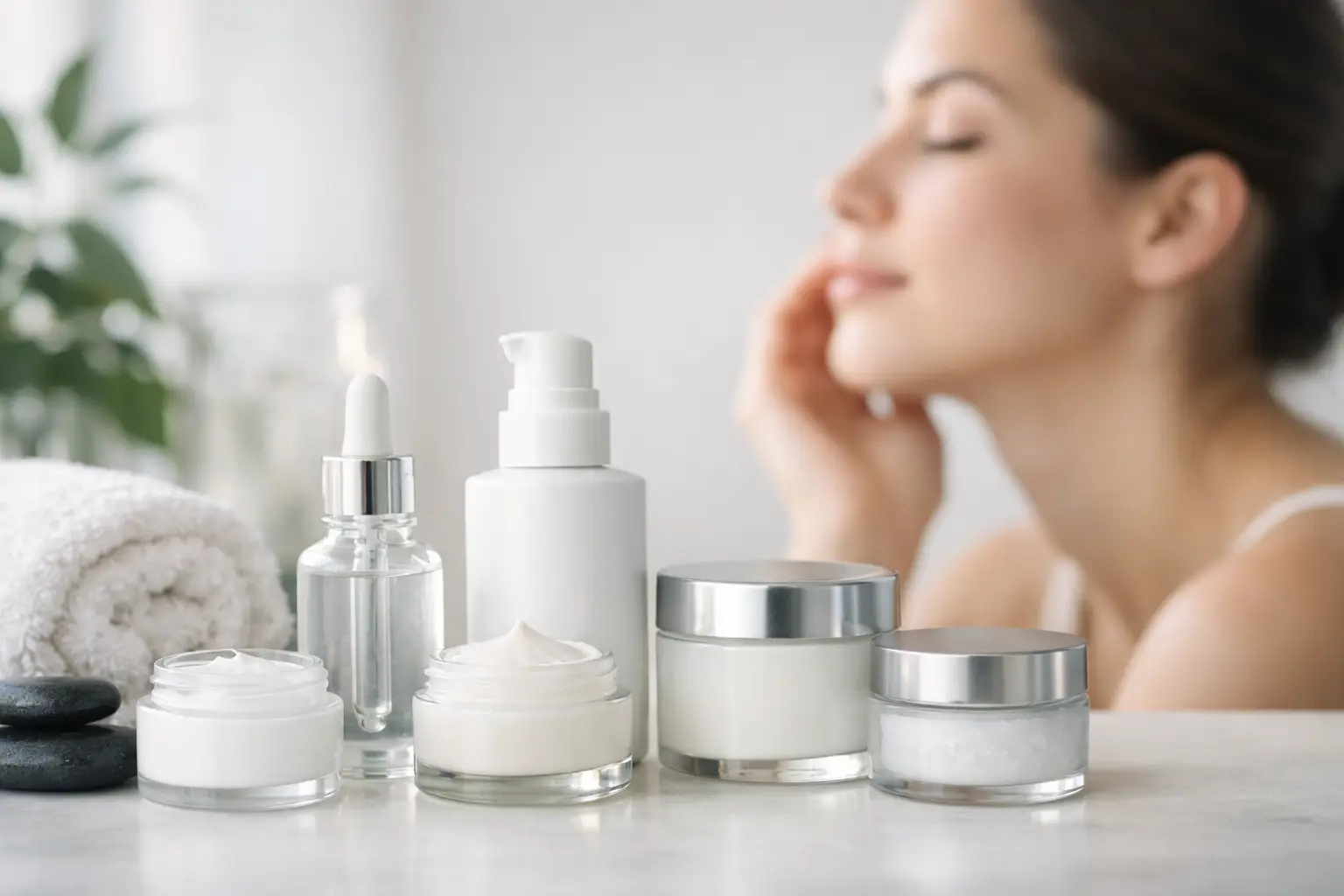
Skin often tells the truth before we do. When stress is high, sleep is short, air quality is poor, or routines become too aggressive, the skin usually responds with dehydration, sensitivity, dullness, congestion, or a general sense of fatigue. That is where the question – what is recovery focused skincare – becomes more relevant than another search for fast results.
Recovery focused skincare is an approach centered on helping skin repair, rebalance, and function well over time. Instead of pushing the skin toward constant exfoliation, correction, or intensive treatment, it prioritizes barrier support, hydration, inflammation management, and resilience. The goal is not instant perfection. It is healthier skin that can better tolerate daily life.
What is recovery focused skincare really trying to do?
At its core, recovery focused skincare supports the skin’s natural repair systems rather than overriding them. Skin is not a static surface. It is a living barrier that works continuously to retain water, defend against irritants, regulate inflammation, and recover from environmental stress. When that system is compromised, even good ingredients can start to feel irritating.
A recovery-first routine asks a different question from traditional corrective skincare. Rather than asking, how quickly can this product brighten, peel, smooth, or clear, it asks, what does the skin need in order to function properly again? Sometimes the answer is hydration. Sometimes it is lipid replenishment, less irritation, or fewer competing actives.
This matters because many common concerns are not only cosmetic. Dullness can reflect dehydration and poor barrier performance. Breakouts may worsen when skin is inflamed and over-stripped. Early signs of aging often become more visible when skin is dry, stressed, and unable to maintain its own balance.
The skin barrier is central to recovery focused skincare
If there is one concept that defines recovery focused skincare, it is barrier integrity. The skin barrier is the outer defensive layer that helps keep moisture in and irritants out. When it is functioning well, skin tends to look calmer, smoother, and more luminous. When it is compromised, the skin becomes less predictable.
Barrier disruption can happen gradually or all at once. Over-cleansing, frequent exfoliation, strong acne treatments, retinoid misuse, sun exposure, travel, dry indoor air, sweat, pollution, and poor sleep can all play a role. For many adults, especially those balancing work pressure and urban exposure, skin is not damaged by one dramatic event. It is worn down by accumulation.
A recovery focused approach responds by lowering unnecessary stress on the skin. That often means using formulations designed to replenish water, support the lipid matrix, and calm visible signs of irritation. Ingredients such as hyaluronic acid, glycerin, ceramides, panthenol, squalane, and carefully selected soothing agents are common in this category because they support function as much as appearance.
Recovery is not the same as doing less
There is a misconception that recovery focused skincare is simply minimalist skincare. Sometimes the two overlap, but they are not identical. Doing less can help if your skin is overwhelmed, yet recovery is more intentional than just removing products.
A thoughtful recovery routine still uses active formulation. The difference is that the actives are chosen and balanced around repair, compatibility, and tolerance. This may include humectants to draw in water, emollients to soften and reinforce, antioxidants to reduce oxidative stress, and advanced repair-supporting ingredients that help skin respond better to daily strain.
In other words, recovery focused skincare is not passive. It is measured.
Who benefits most from a recovery-first approach?
This philosophy tends to be especially useful for adults whose skin is under constant low-grade pressure. That includes people dealing with dehydration, post-acne marks, sensitivity, tightness after cleansing, uneven texture, redness, or a persistent lack of radiance. It also makes sense for anyone using stronger treatments and needing better support around them.
Recovery focused skincare can be valuable after periods of overuse – too many acids, too much retinol, too many trend-led products layered without purpose. But it is not only for damaged skin. It can also be a smart baseline for healthy aging, because skin that is well hydrated and structurally supported tends to show better texture, clarity, and elasticity over time.
That said, it is not a replacement for targeted treatment in every case. If someone has moderate to severe acne, melasma, rosacea, or another medical skin condition, a recovery routine may help improve tolerance and comfort, but it may need to sit alongside more specific care. Recovery is foundational, not always sufficient on its own.
What recovery focused skincare looks like in practice
In practical terms, this approach usually begins with restraint. Cleansing should remove buildup without leaving skin tight or stripped. Hydration should be layered in a way that supports water retention rather than offering only a brief surface effect. Moisturizing should reinforce the barrier, and daily sun protection remains essential because skin cannot recover properly while it is still being damaged by UV exposure.
From there, treatment products are selected with more discipline. Instead of stacking exfoliating acids, vitamin C, retinoids, and spot treatments all at once, the routine is built around what the skin can consistently tolerate. Some people do well with one stronger active paired with several recovery-supportive products. Others need a period of reduced stimulation before reintroducing actives at all.
This is where formulation quality matters. Recovery focused products are not defined only by a single hero ingredient. They depend on the full structure of the formula – pH, concentration, delivery system, supporting ingredients, and how the product behaves when used daily. A product can sound impressive on paper and still be poorly suited to recovery if it is too harsh, too fragranced, or difficult for sensitive skin to tolerate.
Why this approach aligns with healthy aging
Healthy aging in skincare is often discussed through stimulation – more collagen support, faster cell turnover, stronger resurfacing. Those mechanisms have a place, but they are only part of the picture. Skin also ages through repeated inflammation, water loss, oxidative stress, and cumulative barrier disruption.
Recovery focused skincare addresses those quieter drivers. Well-supported skin tends to maintain a more refined surface, better elasticity, and a stronger response to treatment over time. It is also more likely to tolerate advanced ingredients without becoming reactive.
This is one reason repair-first care has become more relevant for adults who want meaningful results without chasing intensity. Long-term skin quality depends not only on what you ask the skin to do, but on what you allow it to restore.
What ingredients often appear in recovery focused skincare?
There is no single formula that defines this category, but certain ingredient groups appear often because they serve recovery well. Humectants such as hyaluronic acid and glycerin help attract water. Barrier-supportive ingredients such as ceramides, fatty acids, and cholesterol help reinforce the skin’s outer structure. Soothing ingredients like panthenol, allantoin, or centella asiatica can help reduce visible discomfort.
Antioxidants also matter because recovery is not only about moisture. Environmental stress generates oxidative damage, which can contribute to dullness and premature aging. In more advanced formulations, repair-supportive technologies may be included to help improve the skin environment and support visible renewal in a more balanced way.
Still, ingredients should be judged in context. More is not always better. A crowded formula with many trending actives may be less helpful than a simpler one designed for stability, compatibility, and regular use.
Signs your skincare routine may need a recovery reset
You do not need severe irritation to benefit from this approach. Sometimes the signs are subtle. Skin may feel dry and oily at the same time, look dull despite using active products, sting when applying otherwise basic formulas, or cycle between congestion and sensitivity. Makeup may sit unevenly. Texture may feel rough even when exfoliation is frequent.
These are often signs that skin is being pushed harder than it can comfortably handle. A recovery reset does not mean giving up on progress. It means improving the conditions that make progress possible.
For brands such as SHINORA, this philosophy reflects a broader shift in how modern skincare is understood. Better skin is not built through constant escalation. More often, it comes from consistent support, intelligent formulation, and respect for the skin’s own recovery processes.
The most effective routine is not always the one that feels the strongest. Often, it is the one that leaves your skin calm enough to keep improving tomorrow.


Leave a Reply