
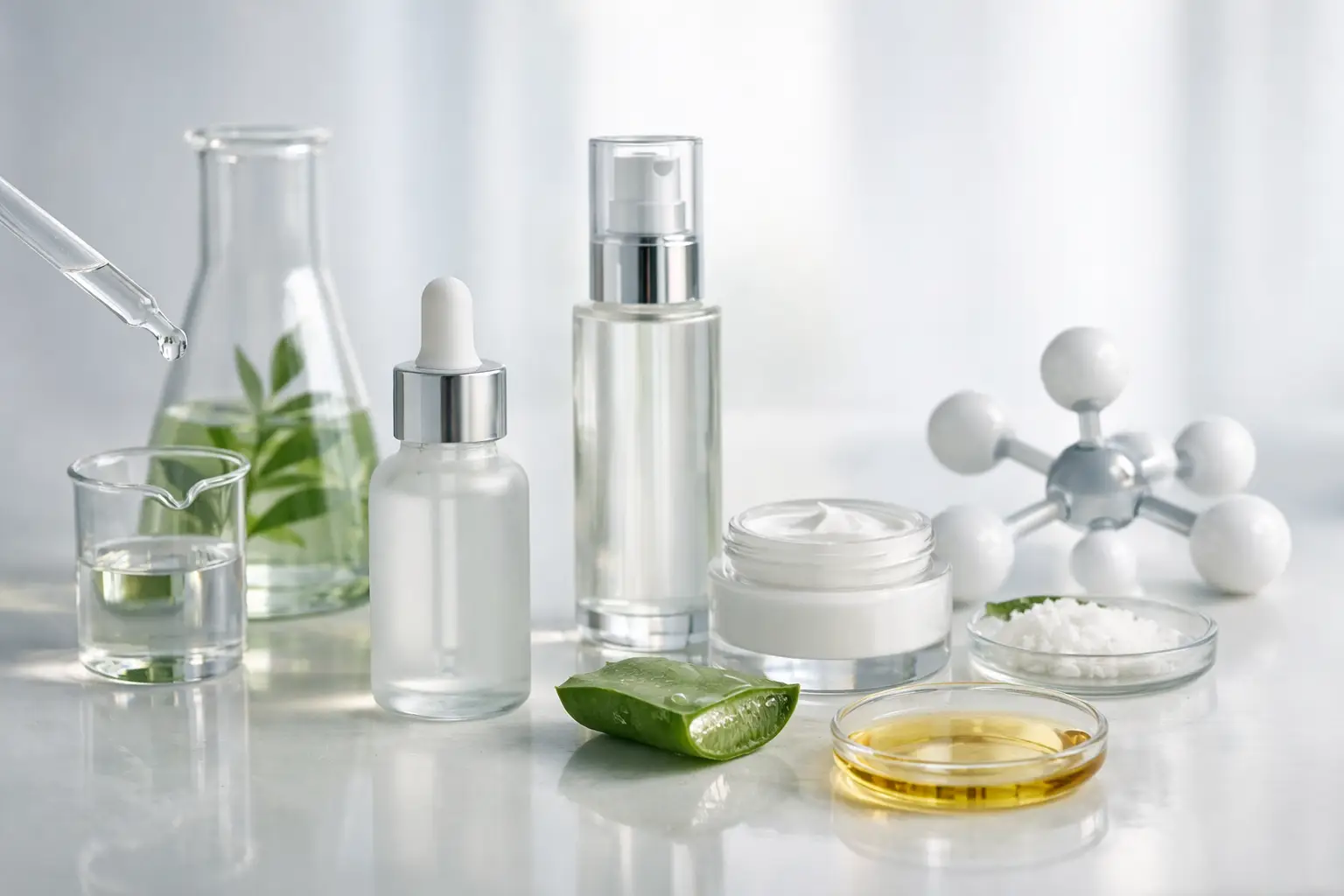
A complexion can look depleted long before it looks visibly aged. Air-conditioned offices, long screen hours, inconsistent sleep, UV exposure, urban pollution, and a demanding pace can leave skin tight, dull, reactive, or slow to recover. This is where next generation skincare ingredients deserve a more thoughtful conversation: not as novelty actives, but as tools that can support the skin’s own repair processes over time.
The most useful advances in skincare are rarely about making skin behave like a different organ. They are about helping it function more comfortably and consistently. For those managing dehydration, early lines, uneven tone, post-acne marks, or persistent skin fatigue, the question is not simply which ingredient is newest. It is whether a formula respects the skin barrier, has a credible role in the routine, and can be used with enough consistency to produce gradual change.
What Makes an Ingredient “Next Generation”?
The phrase can be used too loosely. A new ingredient is not automatically a better one, and sophisticated terminology does not guarantee a meaningful result. In a more disciplined sense, next generation skincare ingredients bring a clearer understanding of skin biology to formulation. They may improve delivery, work through multiple pathways, offer a more tolerable version of a known active, or support recovery alongside visible cosmetic goals.
This matters because skin does not experience dryness, sensitivity, pigmentation, and aging as separate concerns. A disrupted barrier can make fine lines appear more pronounced. Inflammation can contribute to uneven tone. Over-exfoliation can create temporary smoothness while weakening the very resilience a routine is meant to build.
The strongest modern formulas therefore tend to pair innovation with fundamentals. They do not abandon established ingredients such as glycerin, ceramides, sunscreen filters, or niacinamide. Instead, they use newer technologies to make daily care more precise, supportive, and compatible with real life.
The New Direction: Repair Before Intensification
For years, advanced skincare was often framed around correction: stronger acids, higher retinoid percentages, more frequent treatments, and faster visible turnover. These approaches have a place, particularly when selected carefully. Yet intensity is not the same as efficacy.
A repair-centered approach recognizes that the skin barrier is an active protective system. Its lipids, proteins, microbiome, and water-binding components work together to limit moisture loss and respond to environmental stress. When that system is under pressure, adding more aggressive actives may not be the answer.
Next generation skincare ingredients are increasingly designed around this reality. They aim to encourage renewal while preserving comfort, improve radiance without creating chronic irritation, and support long-term resilience rather than a short-lived post-treatment glow.
Ectoin and Stress-Response Support
Ectoin is a naturally occurring molecule known as an extremolyte, meaning it helps organisms withstand challenging conditions. In topical skincare, it is valued for its ability to support hydration and help protect cellular structures against environmental stress.
It is not a dramatic resurfacing ingredient, and that is part of its appeal. Ectoin can be particularly relevant for skin affected by dry indoor air, frequent travel, heat, pollution, or a sensitized routine. Used alongside humectants and barrier lipids, it supports the conditions in which skin can feel calmer and more comfortable.
For reactive skin, this kind of ingredient may be more valuable than another high-strength active. Results are often subtle at first: less tightness, improved softness, and fewer periods when skin feels difficult to manage.
Multi-Weight Hyaluronic Acid and Smarter Hydration
Hyaluronic acid is familiar, but formulation has become more nuanced. Different molecular weights behave differently on the skin, with larger forms primarily supporting surface hydration and smaller forms designed to interact more closely with the upper layers of the skin.
A well-composed hyaluronic acid system can improve the look of dehydration lines and restore a more supple surface. However, it should not be treated as a complete hydration strategy. In a dry climate or air-conditioned environment, a humectant-heavy serum without an emollient or cream to follow can leave skin feeling less comfortable as water evaporates.
The most considered formulas combine hyaluronic acid with glycerin, panthenol, beta-glucan, squalane, or ceramide-supporting ingredients. Hydration is not just about drawing water in. It is also about helping the skin retain it.
Ectoin, Ceramides, and Biomimetic Barrier Lipids
Ceramides are not new, but biomimetic lipid systems represent a more refined way of approaching barrier care. These formulations seek to reflect the balance of ceramides, cholesterol, and fatty acids naturally found in the outermost layer of skin.
The value lies in proportion and formulation context. A rich cream containing these components may be ideal for dry, mature, or overtreated skin, while someone prone to congestion may prefer a lighter emulsion. Neither approach is universally superior. The right texture is the one that supports regular use without leaving the skin overwhelmed.
Barrier lipids can be especially useful when introducing retinoids, exfoliating acids, or pigment-focused treatments. They do not cancel out irritation from an unsuitable routine, but they can reduce unnecessary strain and improve tolerance over time.
Peptides With a More Specific Purpose
Peptides are short chains of amino acids that can be formulated to support different cosmetic goals, including the appearance of firmness, smoothness, and recovery. Their promise is not that they replace procedures or create instant structural change. Rather, they offer a measured way to support skin that is beginning to show the effects of time, stress, and environmental exposure.
There are many types of peptides, and not every peptide formula performs the same way. Concentration, stability, delivery system, and the rest of the formula all influence its usefulness. A product that simply lists several peptides without explaining its purpose should be approached with the same discernment as any other skincare claim.
For many routines, peptides are most valuable as part of a long-term maintenance approach. They work well in a routine built around sunscreen, adequate hydration, gentle cleansing, and a retinoid or antioxidant used according to tolerance.
Growth Factors, Exosomes, and the Need for Restraint
Growth factor and exosome-based skincare sits at the frontier of regenerative beauty. These technologies are often discussed for their potential role in cell-to-cell signaling and visible skin recovery. They are also among the most heavily marketed and least straightforward categories for consumers to assess.
Exosomes are extracellular vesicles involved in cellular communication. In topical products, the source material, purification process, stability, safety assessment, and regulatory position matter greatly. Clinical evidence for specific finished formulations is more meaningful than broad claims about the category itself.
This does not mean the field should be dismissed. It means expectations should remain proportionate. Regenerative language can sound compelling, particularly to anyone concerned with scarring, dullness, or aging, but topical skincare is not a substitute for medical treatment. When skin concerns are persistent, inflammatory, or changing, professional guidance remains appropriate.
Encapsulated Retinoids and Gentler Renewal
Retinoids remain among the most studied categories for supporting smoother texture, more even tone, and the appearance of fine lines. What has changed is the effort to improve their stability and tolerability. Encapsulation can help protect a retinoid ingredient and release it more gradually, which may reduce the sharp irritation some users experience.
That benefit is not a license to use more. Even a well-designed retinoid should be introduced slowly, especially if the skin is dry, sensitive, or already using exfoliating acids. Start with a modest frequency, apply to dry skin, and support the routine with moisturizer. Pregnancy and breastfeeding are also times to seek medical advice before using retinoid products.
A gentler retinoid routine that is used consistently is generally more valuable than an ambitious one abandoned after two weeks of peeling and discomfort.
Brightening Beyond Aggressive Exfoliation
Uneven tone is often addressed with acids alone, but pigment concerns are complex. Sun exposure, inflammation, acne, hormonal shifts, and friction can all contribute to discoloration. Repeatedly stripping the skin may aggravate the process, particularly in deeper skin tones that are more prone to post-inflammatory hyperpigmentation.
Modern brightening formulas increasingly combine niacinamide, tranexamic acid, azelaic acid derivatives, licorice root components, vitamin C derivatives, and antioxidants. Each has a different role, and the best choice depends on sensitivity, the nature of the discoloration, and the rest of the routine.
No brightening ingredient can work around unprotected UV exposure. Daily broad-spectrum sunscreen remains the foundation of any effort to maintain clearer, more even-looking skin. It protects the progress made by treatment ingredients and reduces the cycle of new visible damage.
How to Choose Advanced Ingredients Wisely
A sophisticated routine is usually a selective one. It does not need every emerging active at once. Begin with the concern that is most persistent: dehydration, sensitivity, uneven tone, texture, or signs of premature aging. Then choose one targeted product that complements a stable foundation of cleanser, moisturizer, and sunscreen.
Pay attention to the full formula rather than a single headline ingredient. A beneficial active in an irritating base may not suit compromised skin. Equally, a lower concentration in a stable, well-balanced formula may be more useful than a high percentage that cannot be tolerated.
Give a new product time. Hydration may improve within days, but changes in tone, texture, and the appearance of fine lines usually require weeks or months of regular use. Introduce one active at a time, particularly if your skin is prone to redness or breakouts. This makes it easier to recognize what is helping and what is not.
SHINORA’s view is that ingredient progress should create a more intelligent relationship with skin, not a more complicated one. The goal is not to chase every new technology. It is to choose the innovations that restore comfort, reinforce resilience, and make daily care feel sustainable.
The future of skincare will likely be more biologically informed, more personalized, and more attentive to recovery. Until then, the most advanced choice may be a quiet one: use fewer products with clearer purpose, protect the barrier you already have, and allow steady care to do its work.


Leave a Reply