
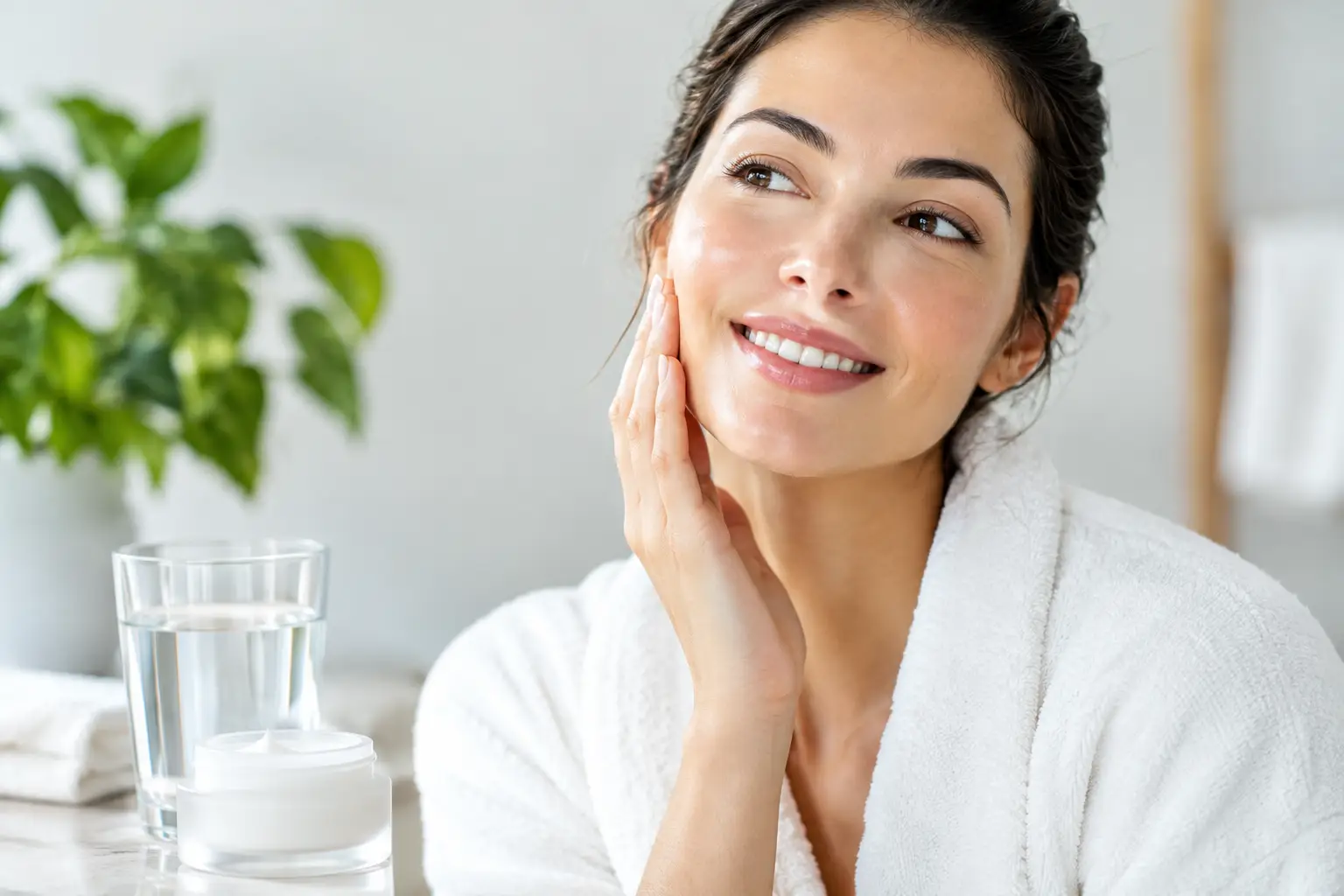
Skin hydration is often reduced to the feeling of applying a richer cream. In reality, it is a measure of how well the outermost layer of skin holds water, maintains its protective structure, and responds to daily stress. When this system is supported, skin tends to look more rested and reflect light more evenly. When it is compromised, tightness, rough texture, dullness, and increased sensitivity can follow.
For people balancing indoor air conditioning, sun exposure, long workdays, travel, disrupted sleep, and active skincare, dehydration is rarely caused by one missing product. It is more often the accumulated effect of small pressures on the skin barrier. Meaningful care begins with restoration rather than escalation.
What Skin Hydration Actually Means
Hydration refers to water within the skin, particularly in the stratum corneum, its outer protective layer. This layer is often described as a brick-and-mortar structure: skin cells form the bricks, while lipids such as ceramides, cholesterol, and fatty acids form the mortar around them. Together, they help limit transepidermal water loss, the gradual evaporation of water from the skin into the environment.
Well-hydrated skin is not necessarily oily. Oil and water are related but different. Sebum can leave the surface shiny while the underlying skin remains dehydrated, especially after frequent cleansing, overuse of exfoliating acids, or exposure to dry air. This is why combination and acne-prone skin can still feel tight, look lackluster, or show fine dehydration lines.
The skin also relies on natural moisturizing factors, including amino acids, urea, sugars, and minerals that help bind water within its cells. Age, environmental exposure, inflammatory conditions, and harsh routines can reduce the effectiveness of this system. The goal is not to force immediate plumpness at any cost. It is to help the skin retain water with greater consistency and resilience.
Why Dehydrated Skin Can Look Tired Faster
Water supports the flexible, smooth surface that gives skin its clear, healthy appearance. As hydration falls, the surface becomes less uniform. Light scatters unevenly, which can make the complexion appear duller. Fine lines may look more visible, makeup can settle irregularly, and skin may feel uncomfortable after cleansing even if it does not appear visibly dry.
A weakened barrier can also make the skin more reactive. It may sting when products are applied, flush more easily, or become caught in a cycle of irritation and overcorrection. In this state, adding stronger exfoliants or multiple new actives can create more disruption than improvement.
This does not mean active ingredients should be avoided indefinitely. Retinoids, vitamin C, exfoliating acids, and pigment-focused treatments can each have a place in a considered routine. Their value depends on formulation, frequency, current skin condition, and the support built around them. Skin that is struggling to hold water usually benefits from fewer variables and more barrier-focused care first.
The Three Functions Behind Effective Skin Hydration
A well-designed routine tends to support hydration through three complementary functions: drawing water in, softening the surface, and slowing water loss.
Humectants attract and bind water. Glycerin, hyaluronic acid, panthenol, beta-glucan, and certain forms of urea are familiar examples. They can improve the feel and appearance of dehydrated skin, particularly when used on slightly damp skin or within a formula designed to support water retention. Hyaluronic acid is valuable, but it is not a complete hydration strategy on its own. Its performance depends on the overall formula and what follows it.
Emollients soften roughness and improve the feel of the skin surface. These may include squalane, certain fatty alcohols, plant-derived oils, and skin-compatible esters. They help create a smoother texture and can make a routine feel more comfortable, especially when seasonal dryness or active treatments have left the skin feeling fragile.
Occlusive ingredients form a light protective layer that reduces water evaporation. Petrolatum, dimethicone, and some waxes or richer balms serve this role. The right level of occlusion depends on the individual. Very dry or compromised skin may welcome a more protective final layer, while oily or congestion-prone skin may prefer a lightweight gel-cream or lotion with measured barrier support.
The most effective products often combine these functions rather than relying on a single star ingredient.
A Routine That Supports Hydration Without Excess
Hydration is built through repeatable choices, not a crowded shelf. A morning and evening routine can remain simple while still being highly considered.
Begin with cleansing that respects the skin’s surface. If skin feels squeaky, stripped, or uncomfortable immediately after washing, the cleanser may be removing more than necessary. A gentle cleanser, or a water rinse in the morning for some skin types, can help preserve the lipids needed for comfort.
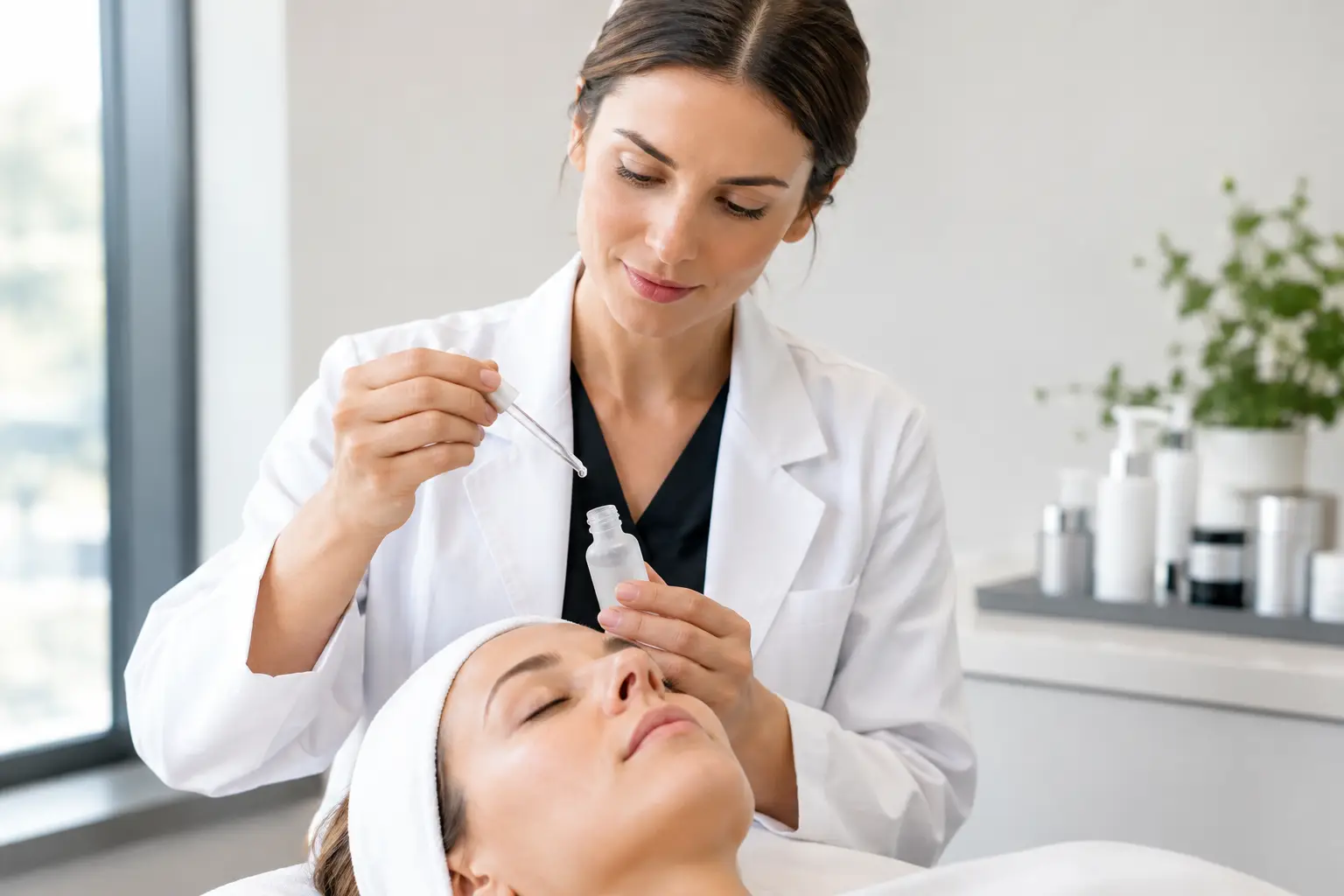
Apply a hydrating serum, essence, or lotion while the skin is still lightly damp. Look beyond marketing claims and consider the formula as a whole. Humectants are useful, but ingredients that support barrier lipids and calm visible signs of stress can make the benefit more sustainable.
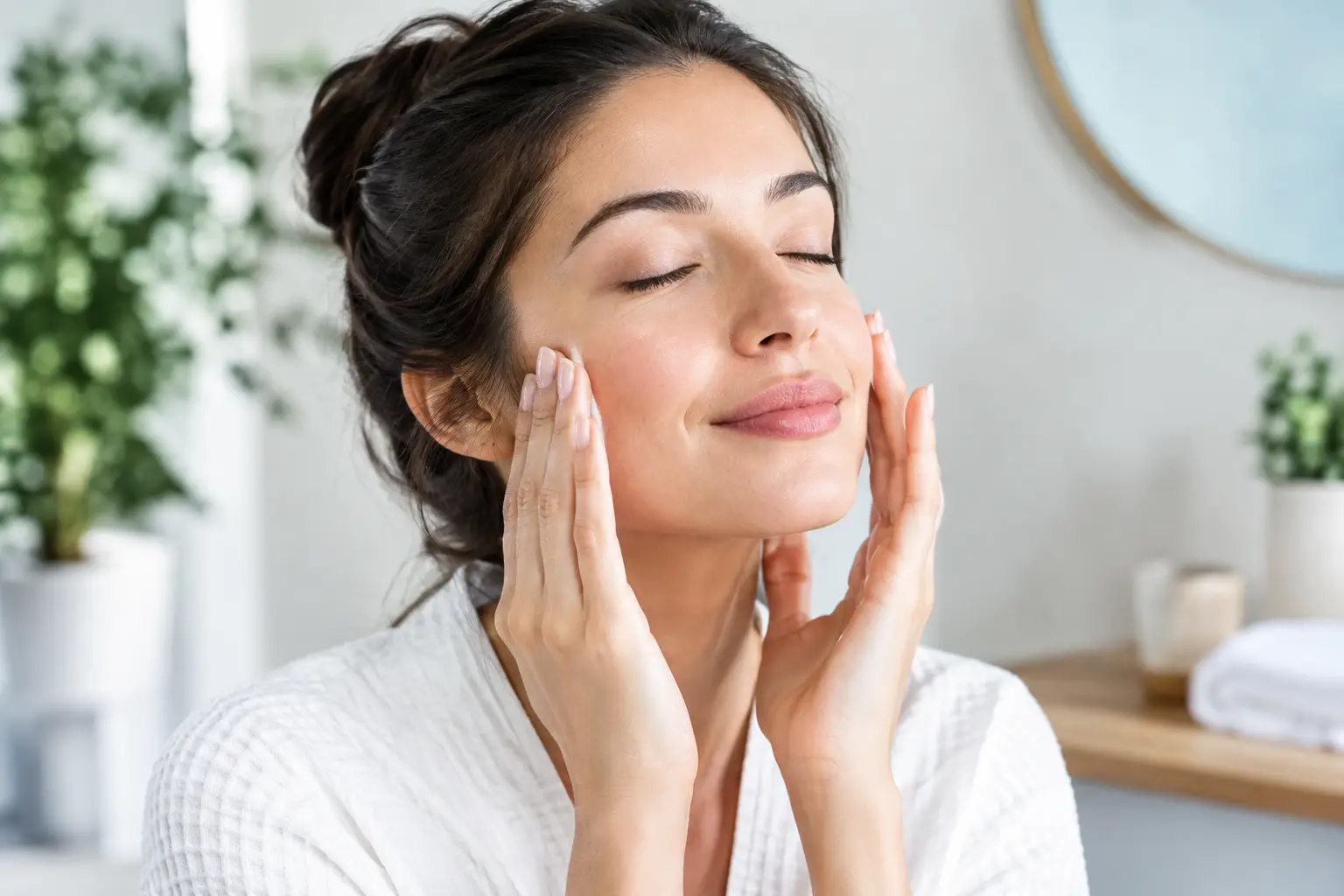
Follow with a moisturizer suited to your skin’s needs rather than its category alone. Someone with oily skin may need a light, water-based moisturizer in humid weather and a more cushioning formula during periods of retinoid use, travel, or increased air conditioning. Someone with dry skin may need both a hydrating layer and a richer cream to feel consistently comfortable.
In the morning, broad-spectrum sunscreen is part of hydration care. Ultraviolet exposure can impair barrier function, contribute to inflammation, and accelerate visible changes associated with skin aging. A sunscreen that feels comfortable enough for daily use is more valuable than an idealized formula that remains unused.
Environmental Stress Changes the Equation
The same routine will not perform identically in every setting. Heated rooms, air-conditioned offices, cold wind, cabin air, and long periods outdoors can all increase moisture loss. In humid climates, skin may appear more supple while still becoming dehydrated from cleansing, sweat, or frequent exposure to indoor cooling.
This is where rigid rules are less useful than observation. If skin becomes tight by midday, makeup separates, or sensitivity increases after introducing an active, it may be time to simplify and reinforce the barrier. If a rich cream leads to persistent congestion, a lighter moisturizer paired with a humectant serum may offer a better balance.
Seasonal adjustments do not need to be dramatic. Sometimes the most intelligent change is using a more protective moisturizer at night, reducing exfoliation to once weekly, or applying a simple barrier cream over areas that become dry first, such as around the nose, mouth, and eyes.
Hydration Also Depends on How You Treat the Skin
Topical care matters, but lifestyle can influence how the skin presents. Inadequate sleep, high stress, smoking, frequent alcohol intake, and insufficient recovery can all affect inflammation, circulation, and the skin’s ability to maintain equilibrium. Drinking water is necessary for general health, but it is not a direct substitute for a sound topical routine. Once basic hydration needs are met, adding more water alone is unlikely to correct a disrupted skin barrier.
A more useful approach is to consider hydration as part of a wider recovery practice. Eat regularly, protect sleep where possible, manage stress with realistic habits, and avoid treating every temporary flare-up as a reason to introduce a new product. Skin often responds best to steadiness.
When Hydration Needs More Than Home Care
Persistent cracking, itching, redness, burning, or sudden changes in the skin may indicate more than ordinary dehydration. Conditions such as eczema, contact dermatitis, rosacea, or acne can overlap with barrier disruption and require individualized medical guidance. If a simple, gentle routine does not improve discomfort, or if symptoms are significant, consult a board-certified dermatologist.
For everyone else, the most reassuring measure of progress is not instant transformation. It is the gradual return of comfort: skin that feels less reactive after cleansing, holds its softness through the day, and needs less effort to look like itself. That is what thoughtful skin hydration is meant to support.

Leave a Reply