
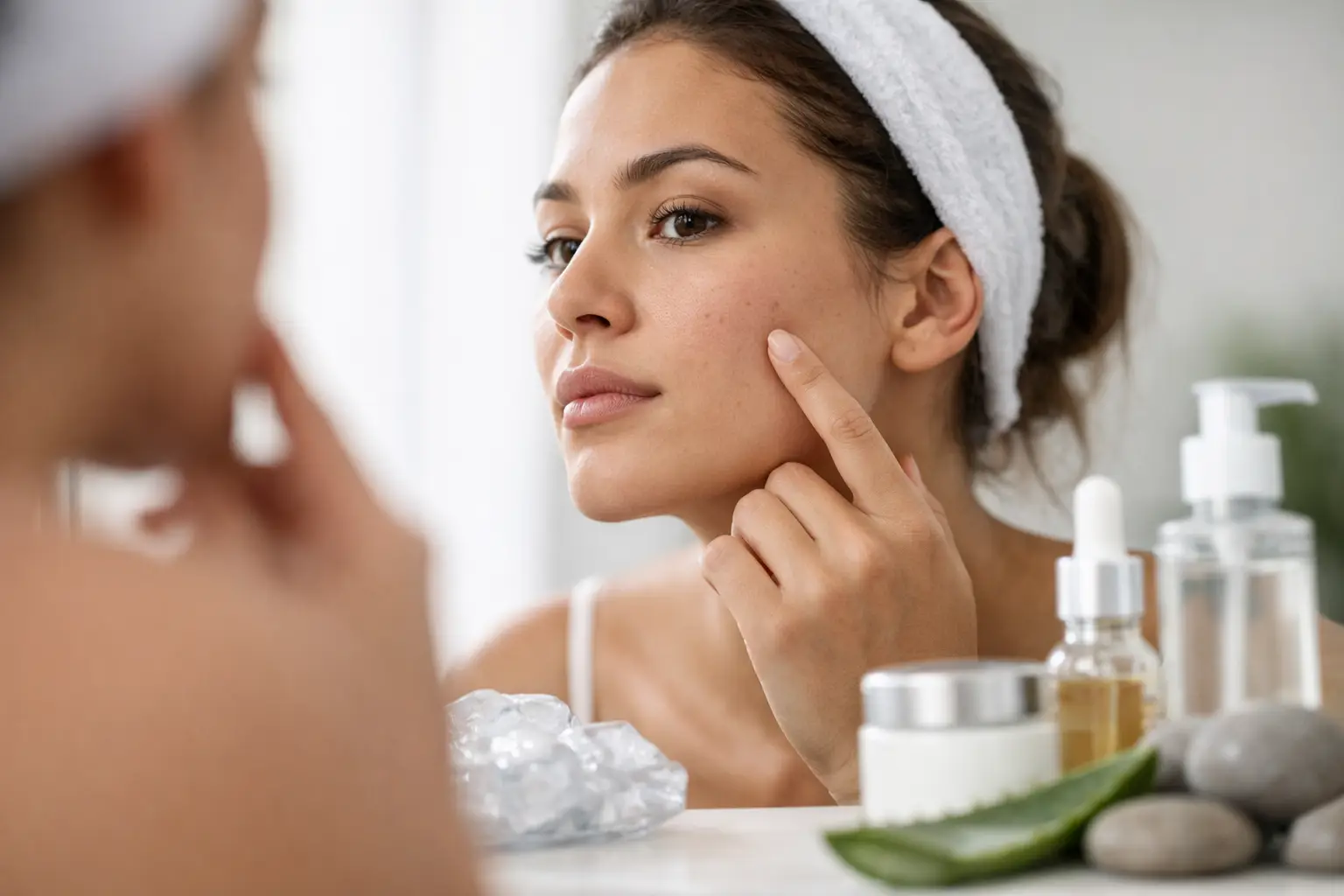
Acne scars rarely begin with the scar itself. They begin earlier, in the moment a breakout becomes inflamed, repeatedly irritated, or left to heal without enough support. If you are searching for how to prevent acne scarring, the most useful place to start is not with correction, but with the biology of injury. Scarring is a repair outcome. Prevention, then, depends on reducing the depth and duration of damage while the skin is still actively healing.
That distinction matters. Many people focus on what to apply after a blemish has already left a mark. By then, some of the structural change has already taken place. A more effective approach is calmer and earlier – protecting the skin barrier, controlling inflammation, and resisting the cycle of over-treatment that often turns a temporary lesion into a longer-term reminder.
How to Prevent Acne Scarring Starts With Inflammation Control
Not every breakout leaves a scar. Superficial congestion or small whiteheads may resolve with little trace, while deeper papules, pustules, cysts, and nodules carry a higher risk because they disturb more of the skin’s structure. The more intense the inflammation, the greater the chance that collagen repair will be uneven.
This is why aggressive routines can backfire. Harsh exfoliation, frequent spot stripping, and combining too many active ingredients may feel proactive, but inflamed skin does not heal better under stress. It heals better when the trigger is managed and the surrounding tissue remains as intact as possible.
For adult skin, especially skin already dealing with dehydration, environmental exposure, or fatigue, barrier disruption can prolong redness and increase post-inflammatory marks. In some cases, that prolonged inflammatory state may also raise the likelihood of textural change. The goal is not to do more. It is to interfere less with recovery while treating acne consistently.
The Habits That Matter Most
The most reliable prevention habits are often the least dramatic. Do not pick or squeeze lesions, even when they seem ready. Mechanical pressure can rupture the follicle wall beneath the surface, spreading inflammation deeper into the surrounding tissue. That increases the chance of both discoloration and true scarring.
Cleanse gently, ideally with a non-stripping formula that removes sunscreen, sweat, and excess oil without leaving the skin tight. Over-cleansing does not reduce breakouts in a meaningful way, but it does weaken the barrier that supports repair.
Use targeted acne treatments with restraint. Salicylic acid, benzoyl peroxide, retinoids, and azelaic acid can all be useful, but tolerance matters. If your skin is peeling, stinging, or becoming persistently red, it is not a sign that the treatment is working better. It may be a sign that the skin is struggling to maintain healthy recovery.
Daily sun protection is also central. UV exposure can deepen post-acne marks and slow the skin’s natural repair process. Even when a breakout does not become a true scar, sun can make the after-effects last much longer and appear more severe.
How to Prevent Acne Scarring With a Barrier-First Routine
A barrier-first routine does not mean avoiding actives altogether. It means giving them a stable environment in which to work. When the skin barrier is supported, inflammation is often easier to manage, irritation is less likely to escalate, and healing tends to proceed with less visible aftermath.
In practice, that means keeping your routine disciplined. A gentle cleanser, one or two well-chosen treatment steps, a hydrating serum or moisturizer, and broad-spectrum sunscreen are usually enough. Ingredients such as hyaluronic acid, glycerin, panthenol, ceramides, and soothing humectants can help maintain hydration and reduce the dryness that often accompanies acne treatment.
This matters particularly for adults using retinoids or exfoliating acids while balancing stress, long workdays, air-conditioned environments, and inconsistent sleep. Skin under cumulative lifestyle pressure may be slower to recover. It does not need more intensity. It needs steadier support.
There is also a psychological side to barrier care. When skin feels calmer and more comfortable, people are often less likely to pick, scrub, or chase overnight transformation. That behavioral shift alone can reduce scar risk.
Treat Acne Early, But Not Aggressively
One of the most overlooked parts of prevention is timing. Acne that remains active for months without effective treatment creates more opportunities for scarring. If breakouts are recurring in the same areas, becoming deep or painful, or leaving persistent marks after every cycle, it is worth addressing the acne itself more strategically rather than only managing the aftermath.
For some, a topical retinoid is the turning point because it helps normalize cell turnover and reduce clogged pores over time. For others, benzoyl peroxide or salicylic acid may be enough. Azelaic acid can be particularly useful when acne is accompanied by redness or post-inflammatory pigmentation. What matters is consistency and fit. The best treatment is rarely the strongest one. It is the one your skin can tolerate long enough to produce steady change.
If acne is cystic, widespread, hormonally persistent, or already beginning to scar, professional evaluation is the most efficient step. Prevention is always easier than remodeling established scar tissue later.
When Marks Are Not Yet Scars
Many people use the word scarring to describe any trace left behind after acne, but not all marks are scars. Red, pink, brown, or gray areas after a healed blemish are often post-inflammatory erythema or hyperpigmentation. These are common and can take weeks or months to fade, especially in deeper skin tones or after repeated inflammation.
True acne scars involve a change in skin texture or structure. They may appear indented, rolling, boxcar-like, ice-pick narrow, or less commonly raised. This distinction matters because prevention strategies focus first on stopping inflammation and protecting repair. If a mark is still flat, there is often a better chance of improvement with time, sun protection, and supportive skincare.
Understanding that difference can also prevent another common mistake – treating a healing mark too aggressively because it has not faded quickly enough. Repeated irritation can prolong discoloration and compromise the skin barrier, which is the opposite of what recovering skin needs.
Ingredients That Support Recovery
Once active acne is controlled, recovery-focused ingredients can help the skin repair in a more orderly way. Hydrating and barrier-supportive ingredients remain foundational, but some formulas also include peptides, antioxidants, and advanced repair technologies designed to support resilience and visible recovery.
These are not substitutes for acne treatment, and they should not be framed as instant scar prevention on their own. Their value is in supporting the skin environment while inflammation resolves. Well-formulated products that prioritize restoration over abrasion tend to make more sense here than harsh resurfacing at-home routines.
This is where a measured, science-led approach is useful. Skin that is repeatedly inflamed does not benefit from cosmetic urgency. It benefits from fewer interruptions to repair. At SHINORA Health & Beauty, that principle sits at the center of modern care – restoration before enhancement.
Lifestyle Factors That Quietly Influence Scar Risk
Skincare is only part of the picture. Chronic stress, poor sleep, smoking, excessive friction from masks or helmets, and high heat or humidity can all affect breakouts and recovery. None of these factors guarantees scarring, but they can extend inflammation or increase breakout frequency, which raises cumulative risk.
It also depends on your skin’s natural tendencies. Some people are more prone to post-inflammatory pigmentation. Others may scar more easily due to genetics or because they develop deeper inflammatory acne. Prevention is not about perfection. It is about reducing the variables that make healing more difficult.
For professionals with demanding schedules, this often means simplifying rather than expanding. A consistent nighttime routine, daily sunscreen, and less hands-on interference usually do more than a shelf full of conflicting actives.
When Professional Help Makes Sense
If you are getting frequent cysts, seeing new indentations, or noticing that each breakout leaves a lasting textural change, home care has reached its limit. Prescription treatments, cortisone injections for severe inflamed lesions, and early clinical guidance can reduce the chance of permanent scarring.
This is especially true if you tend to delay treatment until acne becomes severe. Waiting for it to pass on its own may feel patient, but in scarring-prone acne, that delay can be costly. Early intervention is often the most conservative option in the long term.
Healthy skin repair is rarely dramatic. It is incremental, quiet, and highly dependent on what you stop doing as much as what you start. If you want to prevent acne scarring, think less about erasing damage later and more about creating the conditions for calmer healing now.


Leave a Reply