
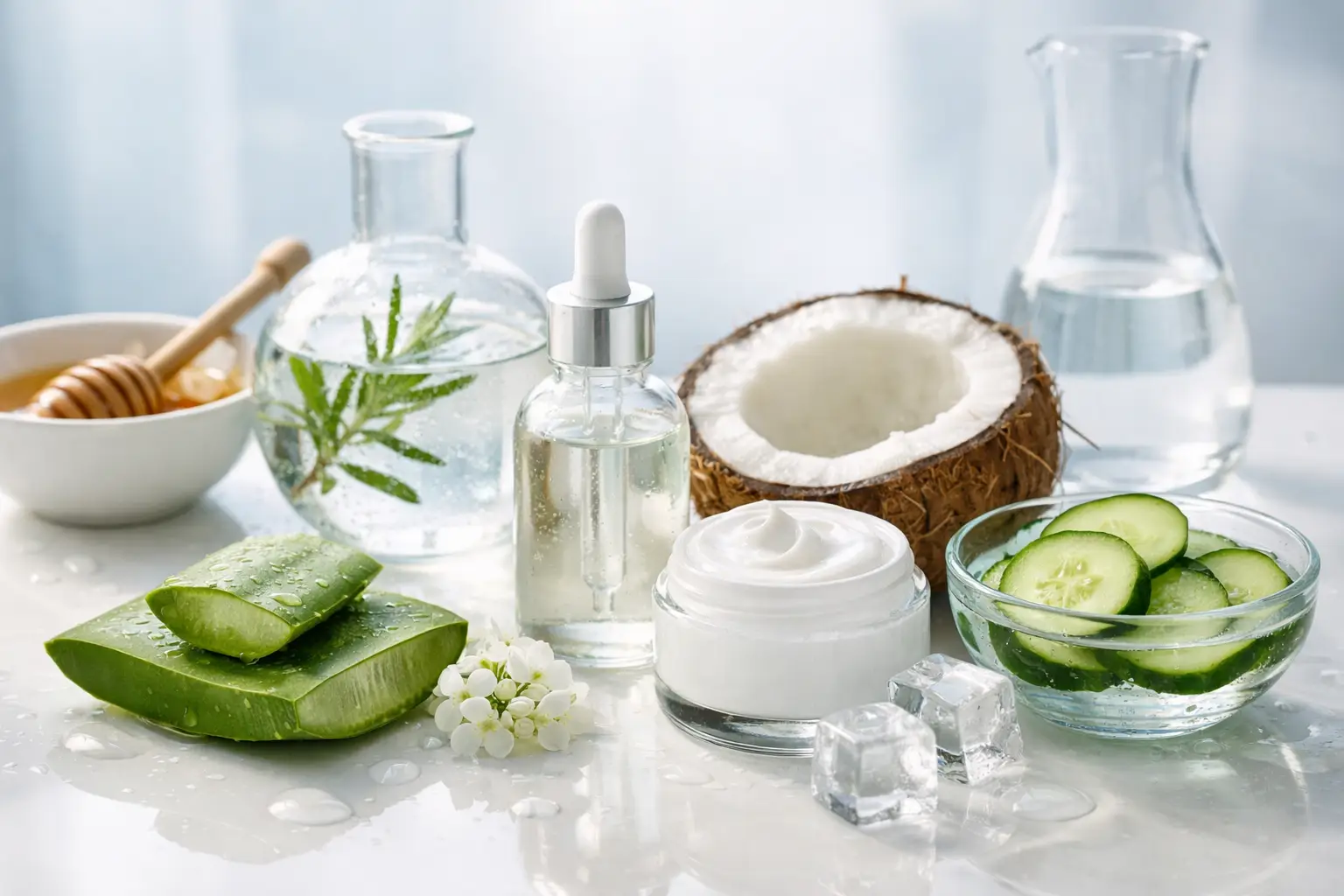
Tightness after cleansing, makeup that settles into fine lines by midday, and skin that looks flat no matter how much cream you apply are often treated as minor cosmetic issues. More often, they are signs that hydration is not being managed well at the skin level. The best ingredients for skin hydration do more than add surface moisture – they help the skin attract water, retain it, and reduce the daily loss that leaves it feeling strained.
Hydration is also easy to misunderstand. Dry skin and dehydrated skin are not the same thing, and even oily or acne-prone skin can become dehydrated when the barrier is compromised by over-cleansing, exfoliation, climate, stress, or lack of recovery. A well-formulated hydrating routine should support comfort and resilience, not simply create the temporary feeling of softness.
What the best ingredients for skin hydration actually do
Skin hydration depends on three things working together. First, the skin needs humectants that draw water into the upper layers. Second, it needs emollients that smooth and soften the surface. Third, it needs barrier-supportive ingredients and occlusives that reduce transepidermal water loss.
This is why a single hero ingredient rarely solves persistent dehydration on its own. Hyaluronic acid may attract water well, but if the barrier is weak, that hydration does not stay where it is needed for long. Likewise, a rich cream may feel comforting, but without enough water-binding support underneath, it can leave the skin coated rather than genuinely replenished.
For most people, the strongest formulas combine several mechanisms in one system. That is especially useful in hot, humid climates, air-conditioned offices, polluted urban environments, or periods of stress, where the skin is constantly adapting to changing demands.
10 best ingredients for skin hydration
1. Hyaluronic acid
Hyaluronic acid remains one of the most recognized hydrating ingredients for good reason. It functions as a humectant, helping bind water within the skin and improving the look of suppleness. When used in balanced formulations, it can make skin feel fresher, smoother, and less tight.
The nuance is that hyaluronic acid is not automatically better at higher concentrations. Texture, molecular weight, and the rest of the formula matter. Some products built around it feel plumping at first but become less comfortable if they are not paired with barrier-supportive ingredients or if they are used in very dry environments without a sealing moisturizer.
2. Glycerin
If one ingredient deserves more respect in hydration science, it is glycerin. It is a highly effective humectant, well studied, well tolerated, and excellent at maintaining skin water balance. It helps pull water into the stratum corneum and supports a smoother, more resilient skin surface.
Unlike trend-driven ingredients that cycle in and out of attention, glycerin has remained relevant because it performs. In many formulations, it quietly does more for lasting hydration than more glamorous actives.
3. Ceramides
Ceramides are lipids naturally found in the skin barrier. Their role is not simply to soften – they help maintain the structure that keeps water in and external stressors out. When skin is persistently dehydrated, irritated, or reactive, ceramide support can make a meaningful difference.
This matters especially for adults managing retinoids, acids, frequent cleansing, or environmental exposure. Hydration improves when the barrier is strong enough to hold onto water. Ceramides are often part of that shift from temporary relief to sustained comfort.
4. Sodium PCA
Sodium PCA is part of the skin’s natural moisturizing factor, which means it is already aligned with how healthy skin manages hydration. It helps attract and retain water while supporting flexibility and comfort.
It tends to perform particularly well in lightweight serums and gel-cream textures, making it useful for those who want hydration without heaviness. For combination or humidity-conscious routines, it is often an excellent choice.
5. Panthenol
Panthenol, also known as provitamin B5, is one of the most dependable ingredients for skin that feels dehydrated and stressed at the same time. It helps improve moisture retention while also offering a soothing effect, which is valuable when dehydration is linked to barrier strain.
This is why panthenol appears so often in recovery-focused products. It suits skin that has been over-exfoliated, exposed to too much sun, or simply pushed too hard by an ambitious routine.
6. Urea
Urea is an underrated hydrator that can be exceptionally effective when used at appropriate concentrations. It is a humectant and part of the natural moisturizing factor, helping the skin hold water more efficiently. At lower levels, it supports hydration and softness. At higher levels, it can also have a keratolytic effect, which is useful for rough texture but not ideal for every skin type.
That trade-off matters. If skin is highly sensitive or compromised, concentration and context are important. Used well, urea can make dry, rough, dehydrated skin feel noticeably more comfortable.
7. Squalane
Squalane is not a humectant, but it plays a valuable supporting role in hydration by reinforcing softness and reducing water loss. It is lightweight, generally well tolerated, and useful for restoring comfort without the heaviness some richer oils can create.
For many adults balancing dehydration with congestion concerns, squalane offers a practical middle ground. It can help seal in hydration while keeping the finish elegant and wearable.
8. Beta-glucan
Beta-glucan is often discussed less than hyaluronic acid, but it deserves attention. It is a moisture-supportive ingredient with soothing benefits that can be very helpful for reactive or fatigued skin. In well-designed formulas, it supports hydration while also calming the visible signs of stress.
This makes it particularly relevant for skin dealing with long workdays, poor sleep, environmental exposure, or post-treatment sensitivity. Hydration is rarely just about water levels. It is often about reducing the friction that prevents skin from functioning well.
9. Aloe vera
Aloe vera can offer light hydration and a calming effect, especially in fluid or gel-based textures. It is often useful in climates or skin conditions where heavy layering feels uncomfortable.
Still, aloe is best seen as supportive rather than sufficient on its own. It can improve immediate comfort, but persistent dehydration usually needs a broader formula with stronger water-binding and barrier-repair capacity.
10. Polyglutamic acid
Polyglutamic acid is a newer favorite in hydrating skincare because it helps form a moisture-preserving film on the skin surface while supporting a plump, smooth appearance. It can pair well with hyaluronic acid, glycerin, and barrier lipids in layered hydration systems.
Its appeal is not just performance, but feel. In elegant formulations, it contributes to that hydrated, rested finish many people want without relying on a heavy occlusive texture.
How to choose the right hydrating ingredients for your skin
The best ingredients for skin hydration depend partly on why your skin is dehydrated in the first place. If your skin feels tight but also breaks out easily, lighter humectants such as glycerin, sodium PCA, and hyaluronic acid may work well when paired with a breathable moisturizer. If your skin is irritated, flaky, or over-treated, ceramides, panthenol, and beta-glucan may be more valuable because they address both hydration and recovery.
Climate also changes the equation. In humid environments, overly rich formulas can feel excessive, while air-conditioned spaces may still leave skin dehydrated despite external humidity. In those cases, a layered approach often works better than one heavy product – a hydrating serum followed by a barrier-supportive cream, for example.
Age and lifestyle matter too. As skin matures, natural lipid content and repair efficiency can decline, making hydration harder to maintain. Stress, poor sleep, travel, and UV exposure all add pressure. That is why disciplined, restorative care often outperforms aggressive routines. Skin that is constantly being stripped and stimulated rarely stays well hydrated for long.
Formulation matters more than ingredient headlines
Consumers often shop by ingredient name alone, but hydration depends on the total architecture of a formula. A serum with hyaluronic acid, glycerin, and panthenol may perform beautifully. Another with the same claims may feel sticky, evaporate quickly, or leave skin tighter later in the day.
What matters is concentration balance, texture, compatibility with your routine, and whether the formula respects the barrier. Fragrance load, harsh alcohols, and excessive exfoliating actives can undermine hydration even when a product markets itself as moisturizing.
This is where a science-led brand philosophy is useful. SHINORA approaches hydration as part of skin restoration, not as a temporary cosmetic effect. That mindset tends to produce better choices – fewer dramatic promises, more support for the skin’s own recovery processes.
Building a routine around the best ingredients for skin hydration
A practical routine does not need to be complicated. Start with a gentle cleanser that does not leave the skin stripped. Follow with a hydrating layer built around humectants such as glycerin, hyaluronic acid, or sodium PCA. Then apply a moisturizer with ceramides, squalane, or other barrier-supportive lipids to reduce water loss.
If your skin is especially tired or reactive, panthenol or beta-glucan can help settle it. If roughness and dehydration are happening together, urea may be worth considering in the right formula. Morning sunscreen is also part of hydration care, because UV exposure weakens barrier function over time.
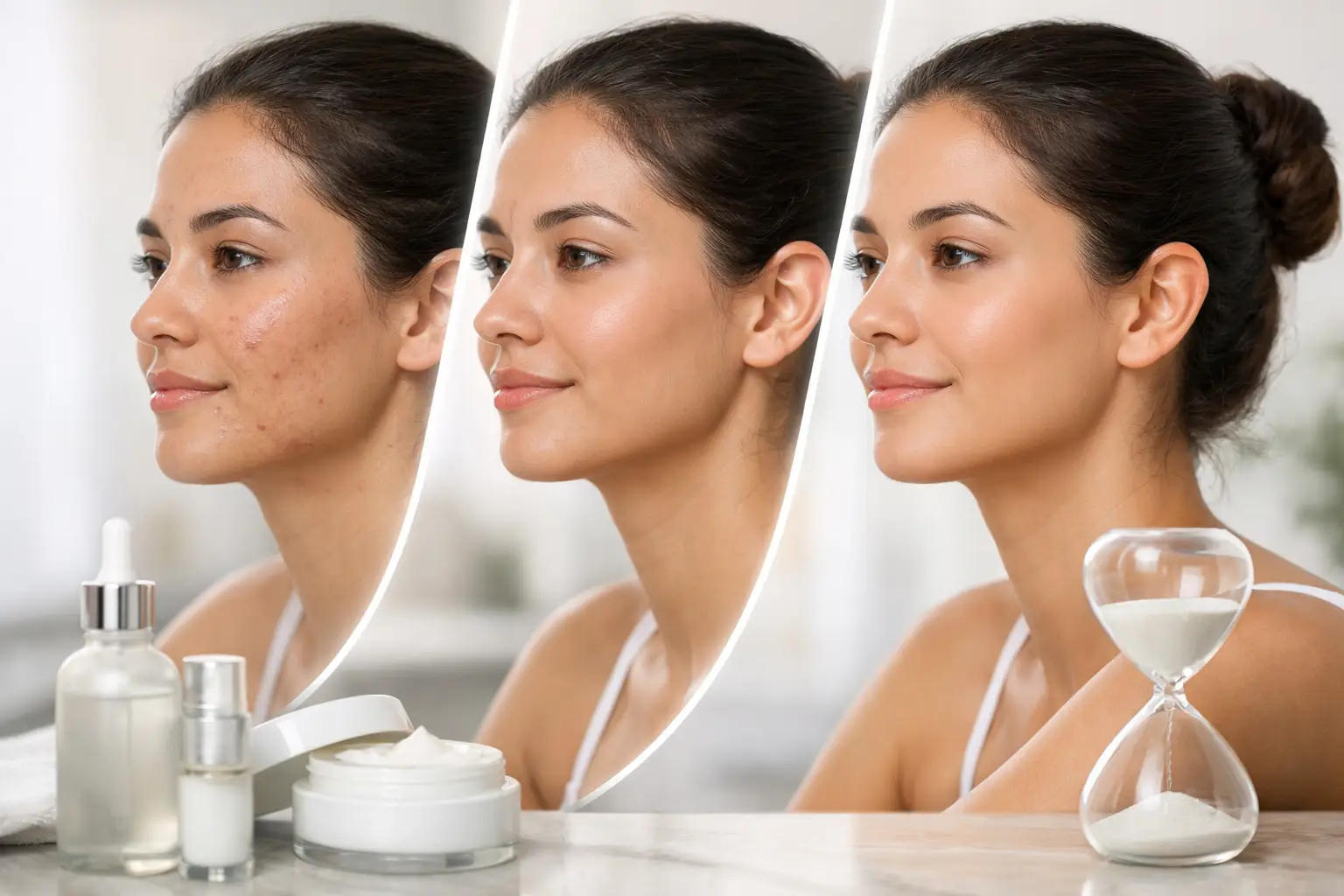
The goal is not to chase the most talked-about ingredient. It is to create conditions where the skin can remain hydrated consistently, with less fluctuation, less irritation, and more resilience. When hydration improves, the skin often looks brighter, calmer, and more even – not because it has been forced into change, but because it is functioning better.
Healthy hydration is usually quiet progress. When the right ingredients are chosen with restraint and used consistently, skin stops asking for rescue and starts holding its balance more confidently.


Leave a Reply